Let’s strip away the corporate buzzwords and look at the brutal reality of operating a high-volume fast-casual kitchen in 2026. Labor costs are eating unit economics alive, and the friction on the cook line during a lunch rush is the single biggest bottleneck to throughput. Chipotle understands this better than anyone, which is why their mid-2026 rollout of the High-Efficiency Equipment Package (HEAP) to over 2,000 stores is a masterclass in aggressive, practical kitchen engineering.

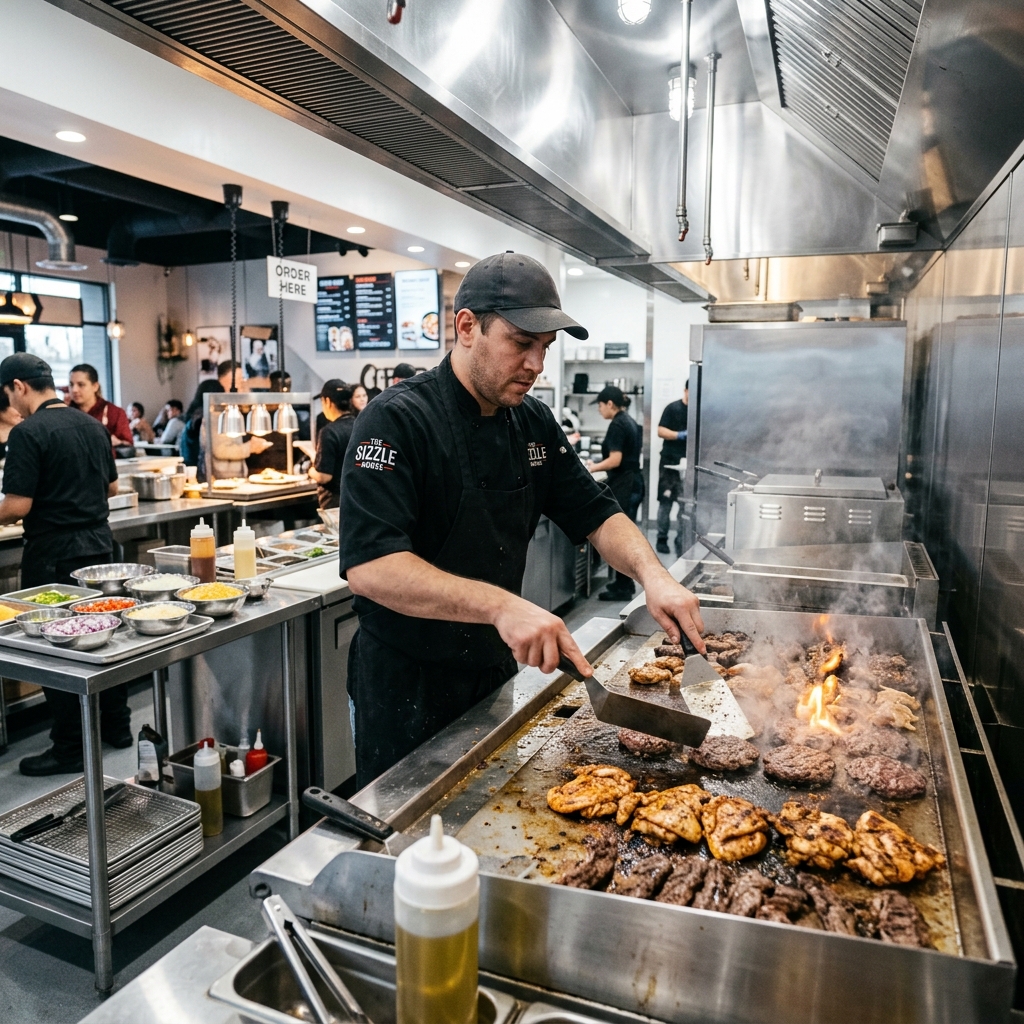
The absolute crown jewel of this equipment package is the dual-sided plancha grill. Historically, grilling chicken at Chipotle took an agonizing 12 minutes—a massive vulnerability when a store gets slammed with 100 digital orders in a 15-minute window. The new dual-sided grill crushes that cook time down to just 4 minutes. We aren’t talking about marginal efficiency gains; we are talking about a 70% reduction in the most labor-intensive prep task in the entire building. Combine this with automated three-pan rice cookers and high-capacity fryers, and you have systematically engineered the panic out of the kitchen.
“You can’t staff your way out of a Friday night rush anymore; the labor pool simply isn’t there, and even if it was, the minimum wage makes it financial suicide,” states a veteran regional operations director. “Chipotle’s HEAP rollout is a blunt-force instrument. By dropping chicken cook times to four minutes, the grill cook is no longer drowning. They can actually breathe, maintain line consistency, and flip the protein pans without bringing the entire makeline to a dead stop.”

While the media obsesses over flashy AI robots, the real war for restaurant survival is being won on the stainless steel grates of the plancha. Chipotle is proving that physical, heavy-duty kitchen automation is the only mathematically viable way to protect unit-level margins in this decade.