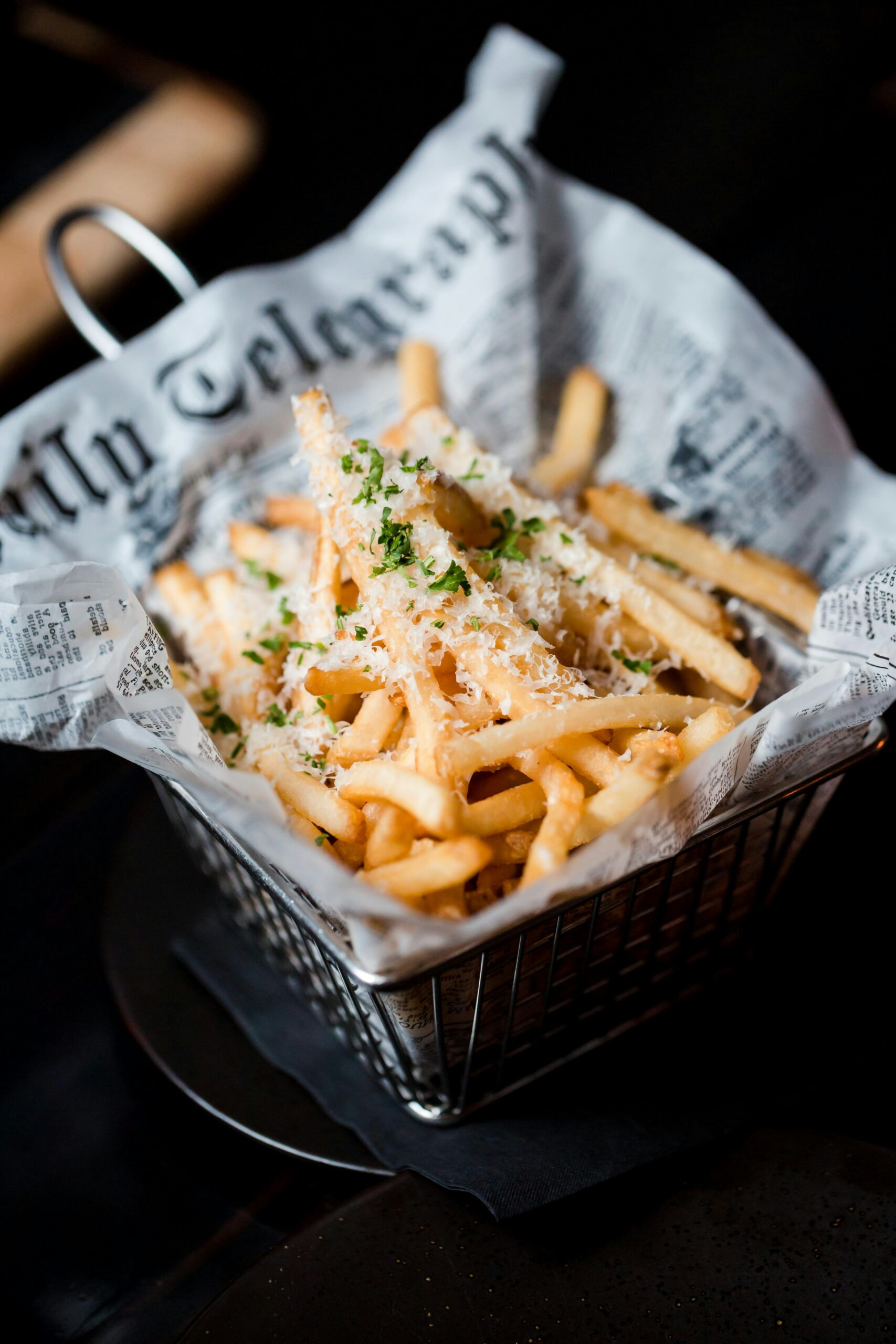
Let’s strip away the Silicon Valley hype and look at the brutal math of operating a QSR kitchen in 2026. When your blended hourly labor rate pushes past $20, assigning a human being to stand in front of a 350-degree vat of boiling oil for eight hours is a catastrophic misallocation of payroll. White Castle realized this years ago, which is why their ongoing partnership with Miso Robotics has evolved from a quirky tech pilot into a mandatory operational lifeline. As of July 2026, the ‘Flippy’ robotic fry station has officially dunked over 5 million baskets in real-world, high-volume conditions. This isn’t experimental beta testing; this is hardened, battle-tested kitchen infrastructure.
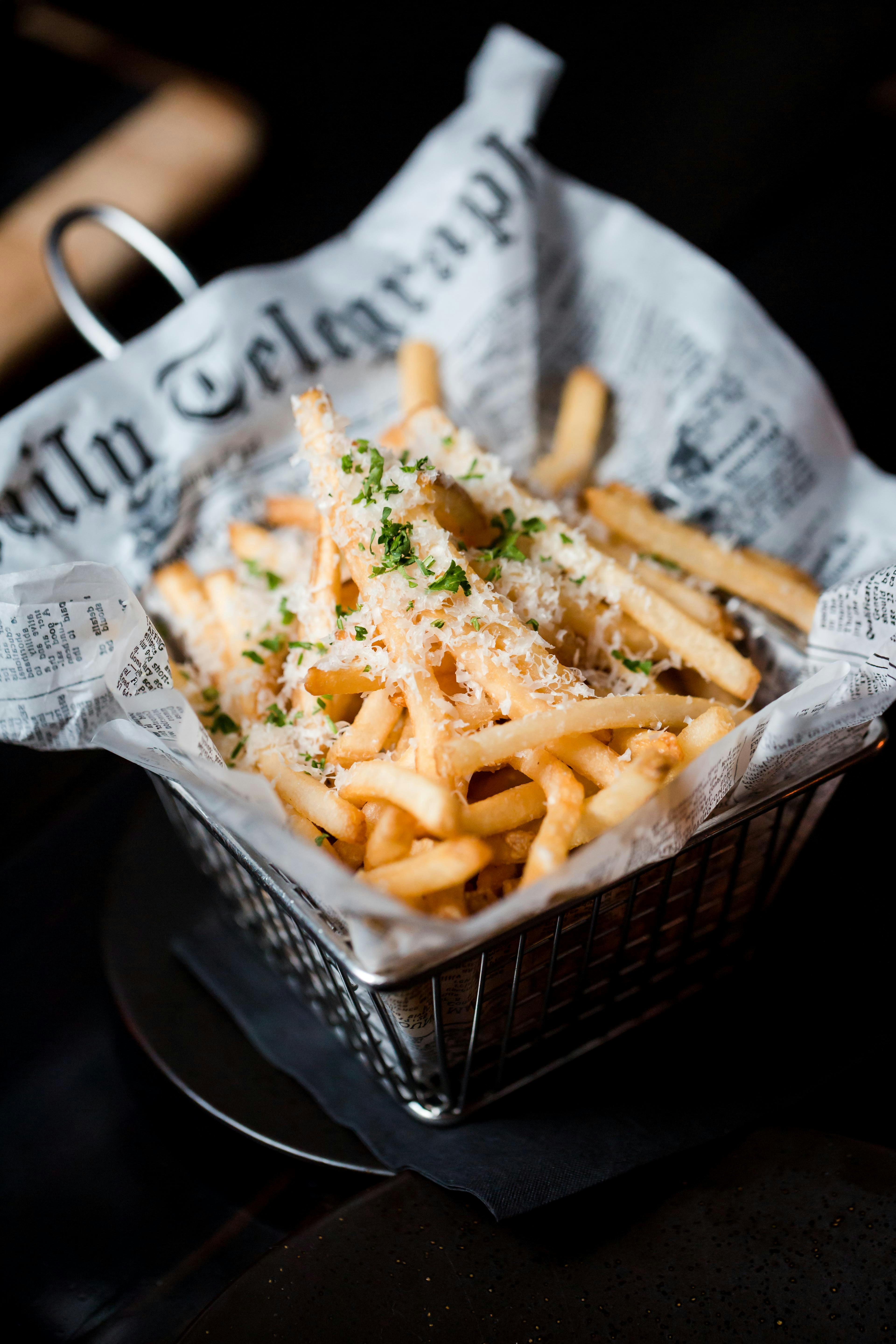
The financial logic driving White Castle’s integration of the next-generation Flippy unit is brutally simple: protect the four-wall EBITDA. A fry station is the ultimate bottleneck in a burger concept. If the fries drag, the entire drive-thru timer blows up. By installing a robotic arm that never calls out sick, never drops a basket early, and never requires a smoke break, operators achieve total predictability in their throughput. Furthermore, by pulling human workers away from the grease hazards, White Castle is simultaneously driving down turnover and Workers’ Compensation liabilities—two massive, hidden killers of unit-level profitability.
“You cannot out-train the fundamental inefficiencies of a human fry cook during a Friday night rush,” states Mark Vance, a veteran multi-unit franchisee consultant. “What Miso Robotics and White Castle have achieved with the 2026 Flippy model is a plug-and-play ROI generator. With overnight installation capabilities, you wake up the next morning and your highest-turnover station is permanently solved. It frees up your shift managers to actually manage the floor and drive front-counter hospitality, rather than constantly bailing out the fry guy.”

The recent acquisition of the Zignyl operations app by Miso Robotics further solidifies the system, overlaying the robotic hardware with real-time predictive analytics. For the rest of the industry, White Castle’s success with Flippy serves as a grim wake-up call. In a $20-minimum-wage world, you either automate the repetitive hazards of your kitchen, or you simply bleed out on the P&L.