For decades, the American quick-service chicken category was trapped in a monochromatic flavor loop: Southern-fried, heavily breaded, and relentlessly beige. But as we progress through 2026, the consumer palate has irrevocably shifted toward complex, ‘saucy,’ and globally inspired profiles. At the vanguard of this culinary awakening is bb.q Chicken. Rather than diluting its heritage to appease outdated notions of American tastes, the Korean giant is aggressively leaning into its authentic roots, rapidly expanding across 33 states by offering a menu that reads less like fast food and more like a high-end flavor laboratory.

The brand’s culinary philosophy treats the incredibly light, non-greasy crust of their ‘Golden Original’ bird as a blank canvas. From there, the menu explodes into a spectrum of intense, polarizing, and deeply craveable flavor architecture. The aggressive heat of gochujang in the *Hot Spicy* profile, the complex black pepper and garlic notes of the *Gangnam Style*, and the sweet-savory smoke of the *Galbi* glaze are not subtle. They demand attention. By refusing to compromise on these bold, authentic flavor builds, bb.q Chicken has cultivated a fanatical, younger demographic that inherently distrusts the bland uniformity of legacy domestic chains.
“The modern consumer is experiencing profound flavor fatigue,” observes Julianne Rossi, a menu development consultant based in Los Angeles. “They don’t want another plain chicken sandwich with a slightly different mayonnaise. They want an experience. bb.q Chicken succeeds because they don’t treat flavor as an afterthought or a side sauce; the flavor is structurally integrated into the product. When you order the Cheesling or the Wings of Fire, you are committing to a distinct culinary point of view, and that level of authenticity builds incredible brand loyalty.”
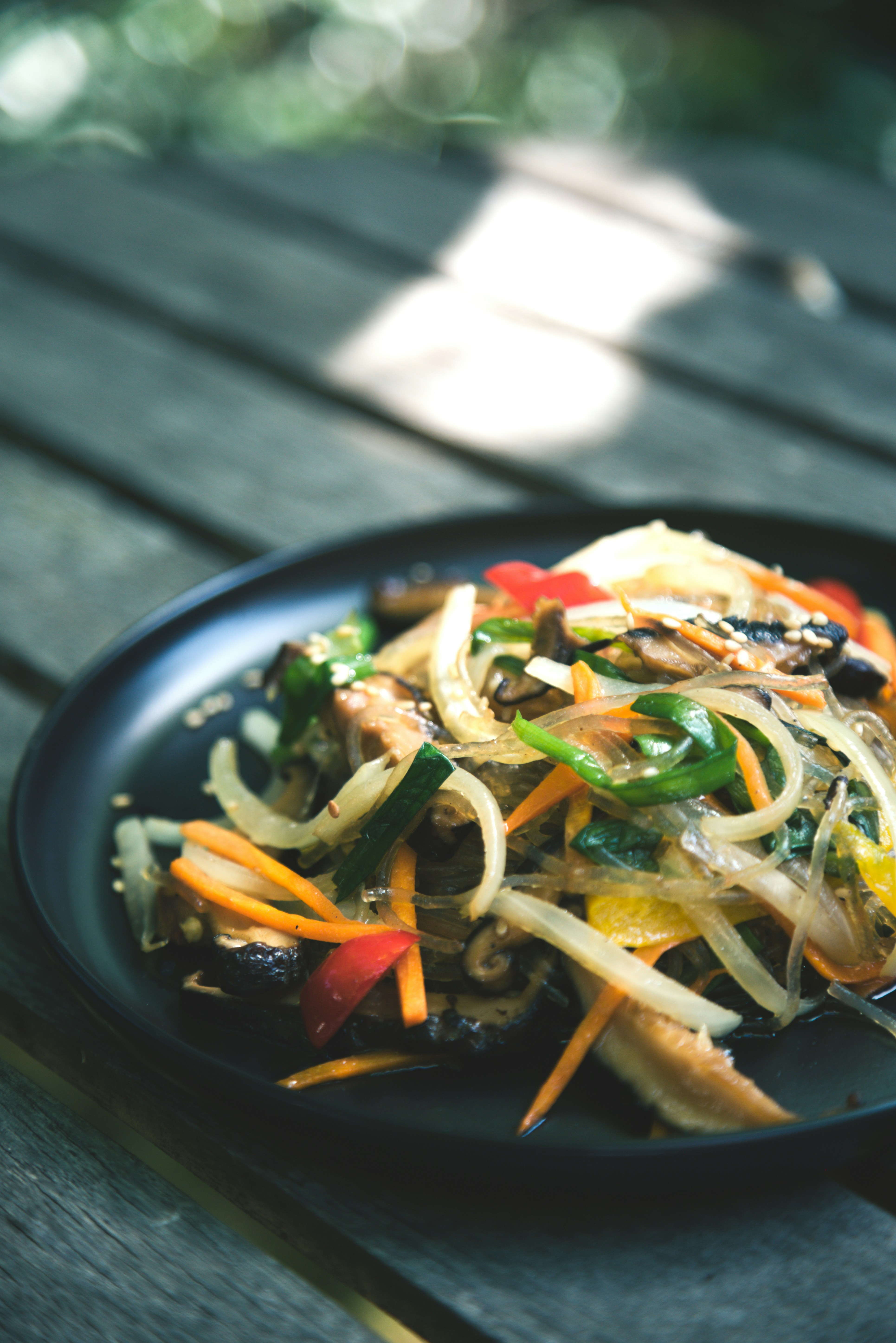
Beyond the chicken itself, the menu architecture strategically introduces complementary K-Food staples like tteokbokki and bibimbap, transforming a simple takeout order into a broader cultural exploration. For domestic operators scrambling to update their menus, the lesson here is profound. The 2026 consumer does not want a watered-down fusion. They are chasing the thrill of absolute authenticity, and they are willing to pay a premium for a flavor profile that dares to be uncompromising.