For years, the Western narrative surrounding China’s Luckin Coffee was defined exclusively by speed, scale, and aggressive discounting. As the company crosses the staggering 35,000-store milestone globally in mid-2026, that narrative is becoming dangerously outdated. While Luckin continues to expand its footprint across Southeast Asia and the United States, its branding strategy is undergoing a massive, calculated evolution. The recent launch of their ‘Origin Flagship’ concepts signals a pivot away from pure convenience and toward a premium, supply-chain-focused identity designed to steal market share from established legacy coffeehouses.
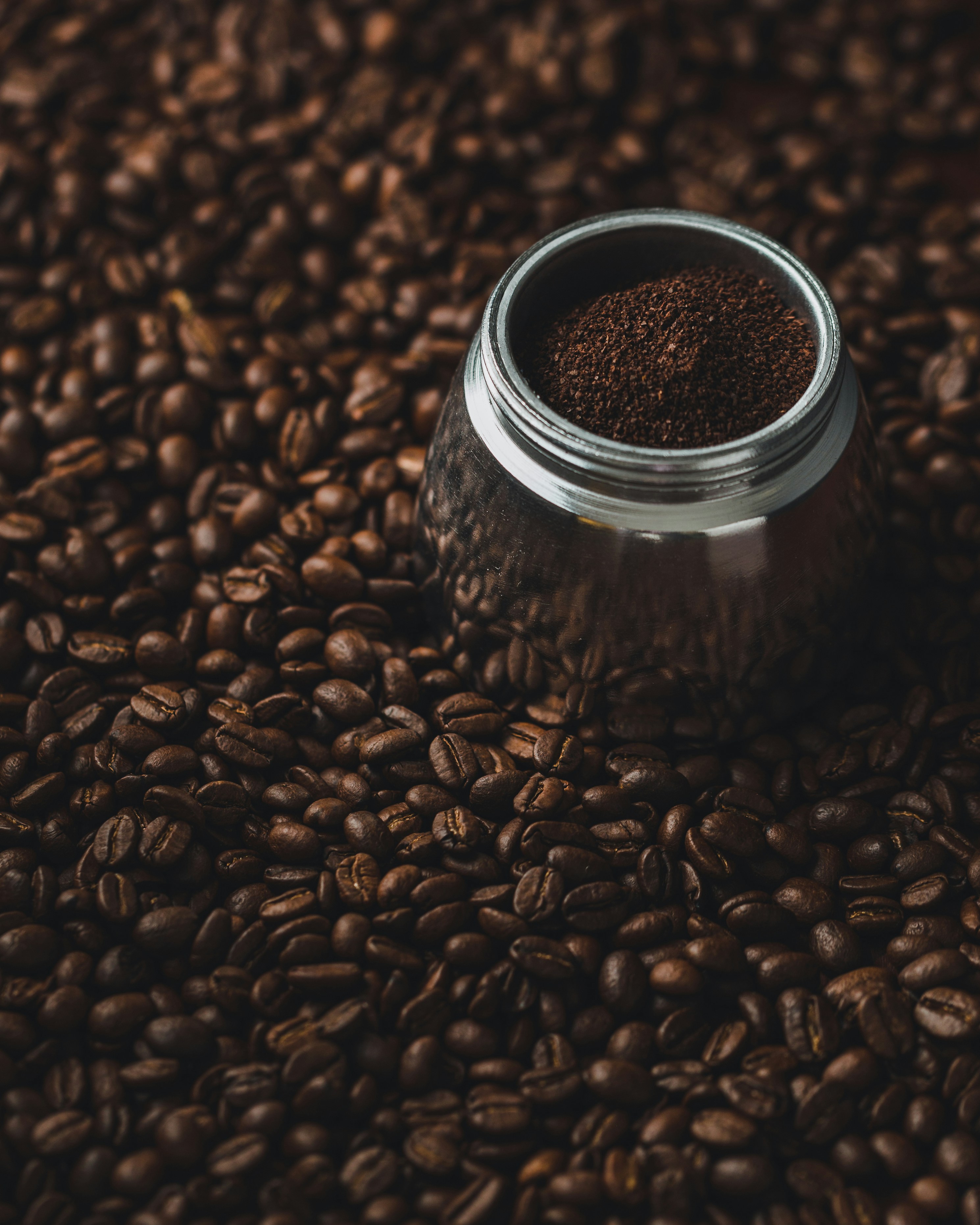
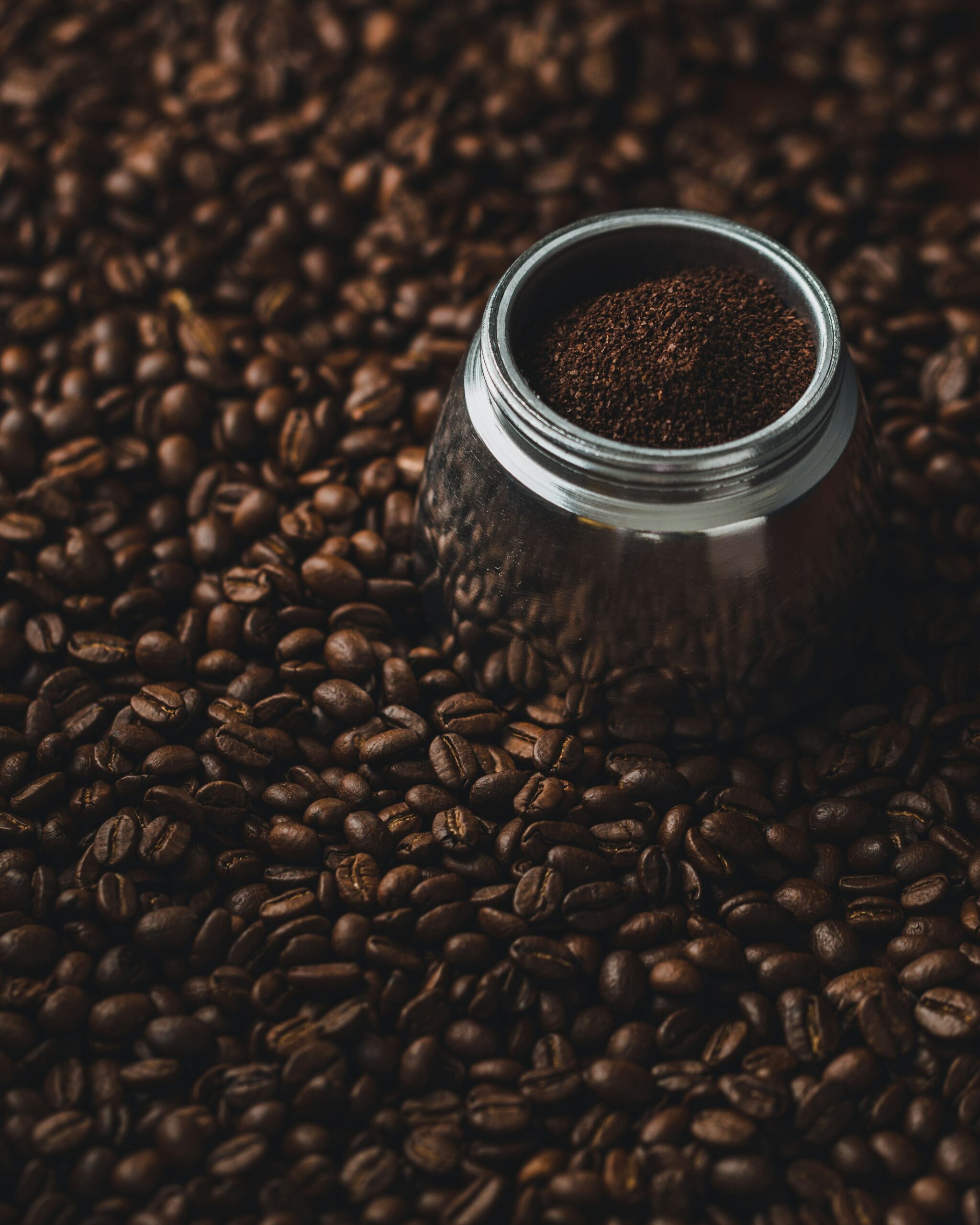
The genius of Luckin’s 2026 international rollout lies in its dual-core strategy. In new markets, the brand still utilizes its highly disruptive ‘efficiency-first’ playbook: hyper-dense, small-format stores, seamless app-based ordering, and localized payment integrations (like Apple Pay and PayPal in the US). However, the marketing message has fundamentally shifted. Instead of shouting about cheap lattes, Luckin is now heavily promoting its massive investments in self-operated roasting centers and direct-trade partnerships with coffee origins in Brazil, Indonesia, and Colombia. They are attempting to offer a Third-Wave coffee aesthetic at a First-Wave speed.
“The discount model gets you the initial customer acquisition, but it does not buy long-term brand loyalty in mature international markets,” observes David Kim, Head of Asian Consumer Retail at a global equity firm. “Luckin realized that to compete effectively in the US or Singapore, they had to prove their coffee was actually good, not just fast. By investing billions into their upstream supply chain and opening highly architectural flagship stores, they are systematically erasing the ‘cheap’ stigma associated with their early growth phase. It is an incredibly difficult branding tightrope, and they are executing it flawlessly.”
For competing B2B operators, Luckin’s evolution is a terrifying prospect. They have already perfected the digital, frictionless transaction; if they successfully attach a premium, artisan brand halo to that existing operational engine, they become virtually unstoppable. As they continue to diversify their revenue streams with massive non-coffee beverage lineups—surpassing RMB 20 billion in cumulative sales—Luckin is proving that true franchise dominance in 2026 requires the absolute masteration of both backend logistics and frontend brand psychology.