The fast-food sector, an industry built on speed, volume, and meticulously optimized cost structures, is currently facing its gravest operational challenge in decades. Mandated minimum wage increases, particularly those recently enacted across California and other states, are not just raising eyebrows; they are directly correlating with a disturbing trend of store closures and significant job reductions. This isn’t theoretical economic modeling; it’s the harsh, on-the-ground reality playing out for operators who are being forced to make an agonizing choice: adapt or die.
For too long, the narrative around wage hikes has been polarized, often missing the core operational truth. When labor costs, typically one of the largest line items, surge by 20% or more overnight, the math for a business operating on razor-thin profit margins (often 3-6% pre-tax) becomes unavoidable. This isn’t about greed; it’s about survival. Operators cannot simply absorb these costs without fundamentally altering their business model. The result is predictable: a scramble to reduce overhead, with labor, ironically, being the most flexible target.
The Unavoidable Math: Margins Under Siege
Let’s be blunt. The fast-food industry thrives on volume and efficiency. Every penny in cost, every minute of labor, is scrutinized. A franchise model, where individual operators bear the direct brunt of these costs, exacerbates the situation. These aren’t faceless corporations; often, they’re local entrepreneurs whose entire livelihood depends on the profitability of their handful of restaurants. When a substantial wage increase hits, their options are stark:
- Pass costs to consumers: Raise menu prices significantly. This risks alienating price-sensitive customers, leading to reduced foot traffic and sales volume – the very engine of fast-food profitability.
- Reduce labor: Cut staff hours, eliminate positions, or slow down hiring. This directly impacts service speed and quality, further risking customer satisfaction.
- Close shop: If the other options fail to yield sustainable margins, or if the projected profitability simply vanishes, the only remaining option is to shut down operations entirely.
The news from California, where a $20 minimum wage for fast-food workers took effect, serves as a stark warning. Pizza Hut, Starbucks, McDonald’s, and other major chains are reporting layoffs and store closures. This isn’t anecdotal; it’s a systemic response to an operational crunch that many operators frankly cannot overcome without drastic measures. We’re seeing job cuts that range from delivery drivers to in-store staff, a direct consequence of an industry scrambling to rebalance its books.
Lean Operations: From Strategy to Survival Mandate
For years at Foodsatlas.com, we’ve hammered home the importance of Lean Operations. We’ve preached about optimizing workflows, minimizing waste, and maximizing throughput. Now, with these wage hikes, what was once a strategic advantage for a competitive edge has become a non-negotiable mandate for survival. If your operation isn’t lean, it’s signing its own death warrant.
What does this mean on the ground?
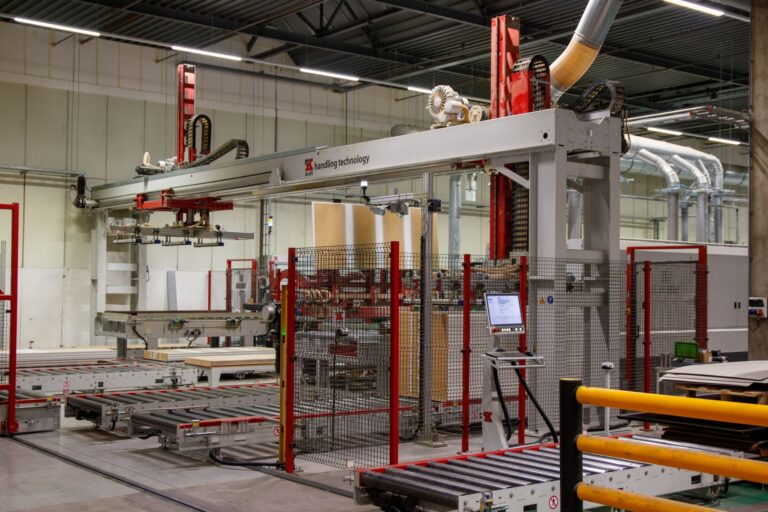
- Automation Accelerated: The adoption curve for automation just went vertical. Self-ordering kiosks, robotic fry stations, automated beverage dispensers, and AI-driven inventory management systems are no longer ‘nice-to-haves.’ They are essential tools for reducing reliance on human labor. The upfront capital expenditure, once a barrier, is now seen as an investment in long-term viability against unpredictable labor costs.
- Radical Staffing Reductions & Multi-skilling: Every position is under review. Operators are asking: Can this task be automated? Can one employee perform multiple roles more efficiently? The days of excess staff for peak hours are becoming a luxury of the past. Cross-training and multi-skilling are no longer just good HR practices; they are foundational to maintaining service levels with fewer hands.
- Menu Rationalization: Complex menus with too many niche items complicate inventory, increase prep time, and demand more specialized labor. Expect a strategic pruning of menus, focusing only on high-margin, high-volume items that can be prepared with maximum efficiency. Every SKU must earn its keep, or it’s out.
- Operational Flow Re-engineering: Kitchen layouts, drive-thru processes, and service lines are being re-evaluated with brutal efficiency in mind. The goal is to minimize steps, reduce bottlenecks, and ensure the fastest possible service with the absolute minimum labor input. Time is money, and wasted time is now directly costing jobs.
This isn’t about making the remaining employees “work harder” in a punitive sense. It’s about designing a system where the *system itself* works smarter, requiring fewer inputs—chiefly labor—to deliver the same or even greater output. For operators, the margin percentage is sacred, and every operational decision now funnels back to defending that number.
The Human Cost: A Double-Edged Sword
While the intent behind increasing the minimum wage is often noble—to improve the living standards of low-wage workers—the reality on the ground is far more complex and often contradictory. For some, the wage hike means a significant and welcome increase in income. For others, particularly those laid off, it means no income at all. This creates a critical disconnect: a policy designed to uplift workers inadvertently displaces a segment of the workforce it sought to help.
The fast-food industry has historically been an entry point for many into the workforce, offering flexible hours and opportunities for skill development. As automation accelerates and staffing levels shrink, these entry-level opportunities could diminish, potentially creating a new class of “unemployable” individuals who cannot compete with the efficiency of machines or the multi-skilled demands of leaner operations. This is a crucial social and economic impact that cannot be ignored.
Strategic Retreats and Market Re-evaluation
The impact isn’t confined to individual store operations. We’re seeing a strategic re-evaluation of market presence. Regions with aggressive wage mandates may see slower expansion, or even market exits, as chains and franchisees prioritize areas with more favorable labor economics. This shift in capital deployment could alter the fast-food landscape, potentially creating “food deserts” for quick, affordable meals in high-wage urban areas, or leaving commercial real estate vacant.
Franchisees, who often operate on borrowed capital and tight covenants, are now reconsidering their growth strategies. The risk profile of expanding in certain markets has fundamentally changed, potentially stifling job creation and economic activity in those areas.
Looking Ahead: A Transformed Industry, Not a Broken One
The fast-food industry is not dying; it is transforming. The era of cheap, abundant labor as a primary competitive advantage is over. What emerges from this shake-up will be an industry defined by its relentless pursuit of operational efficiency, aggressive adoption of technology, and a laser focus on margin defense.
Operators who fail to embrace this new reality—who cling to outdated staffing models or resist automation—are simply signing their own closure notices. The industry will consolidate, become more technologically sophisticated, and demand a higher level of operational acumen from its leaders. For those who can adapt, there will still be profitability. But make no mistake: the rules of engagement for fast food have fundamentally changed, and the new baseline for operational excellence is being set right now, driven by the blunt force of mandated wage hikes.