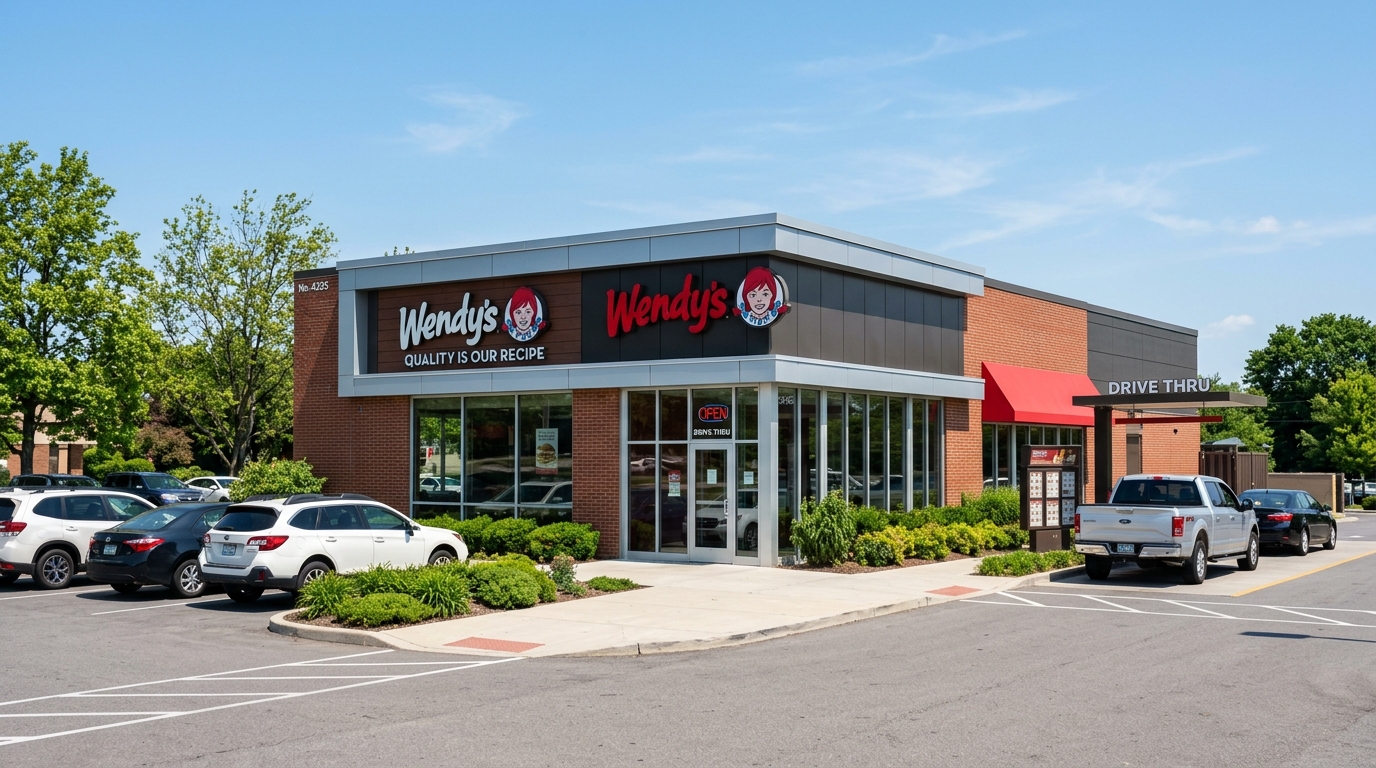
American QSR giant Wendy’s has announced a nationwide rollout of its artificial intelligence-driven automated ordering system, “Wendy’s FreshAI,” across its major drive-thru lanes by the end of 2026. The new integration, built in partnership with Google Cloud’s generative AI platforms, features a customized voice recognition model capable of understanding natural conversational patterns, regional accents, and complex order modifications in real time.

However, the technological advancement has been overshadowed by an intense debate surrounding Wendy’s announcement regarding dynamic pricing experiments. Executives revealed plans to test digital menu boards that adjust prices based on real-time market variables, such as peak hour congestion, extreme weather conditions, and supply chains. This strategy mimics dynamic pricing models pioneered by ride-sharing networks like Uber and international airline fleets, attempting to bring algorithmic pricing models to the traditional drive-thru window.
Consumer feedback was immediately negative. Critics argue that surge pricing during peak lunch hours undermines the core brand value of QSR chains—reliable, fast, and affordable convenience. While Wendy’s corporate communications team attempted to reframe the initiative as “digital promotional discount periods” for off-peak hours rather than strict price hikes, industry analysts remain skeptical. They suggest the system is ultimately designed to maximize profit margins by utilizing automated demand-throttling algorithms.
From a B2B foodservice perspective, Wendy’s strategy highlights the industry’s response to labor shortages and rising operating margins. By offloading order-taking tasks to natural language processing AI, operators can optimize labor allocations and reduce wait times. Simultaneously, dynamic menu boards allow real-time inventory management, paving the way for similar pricing models to spread across other major QSR competitors.