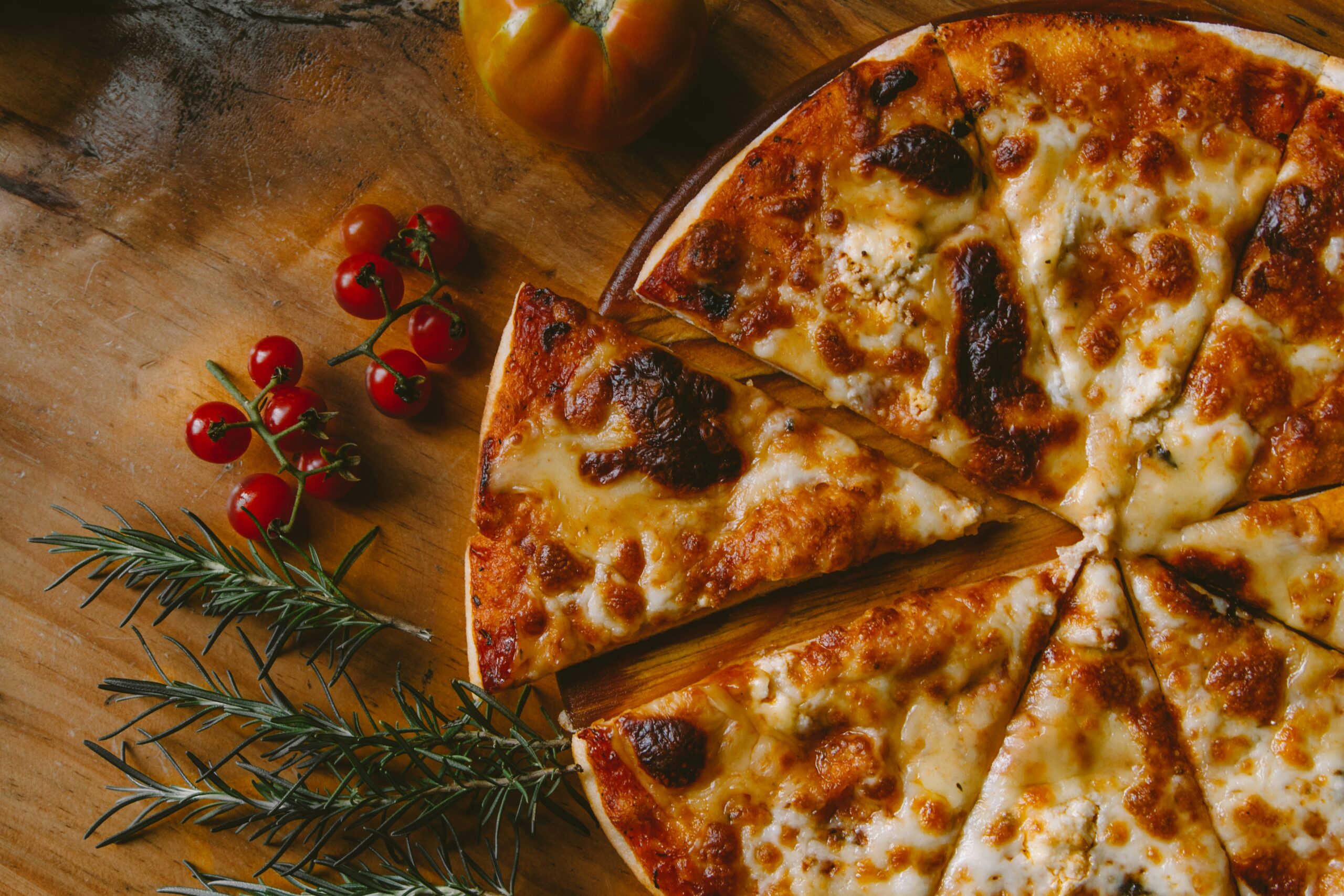
For over a decade, Domino’s Pizza maintained one of the most rigid fortresses in modern retail, adamantly refusing to surrender its proprietary delivery network to third-party aggregators. In 2026, that defensive posture has been entirely dismantled. As institutional investors prepare for the Q2 2026 earnings call scheduled for July 20, the primary metric of interest is the quantitative impact of the ‘Hungry for MORE’ strategy—specifically, the full systemic integration of Uber Eats and DoorDash across the U.S. domestic footprint.
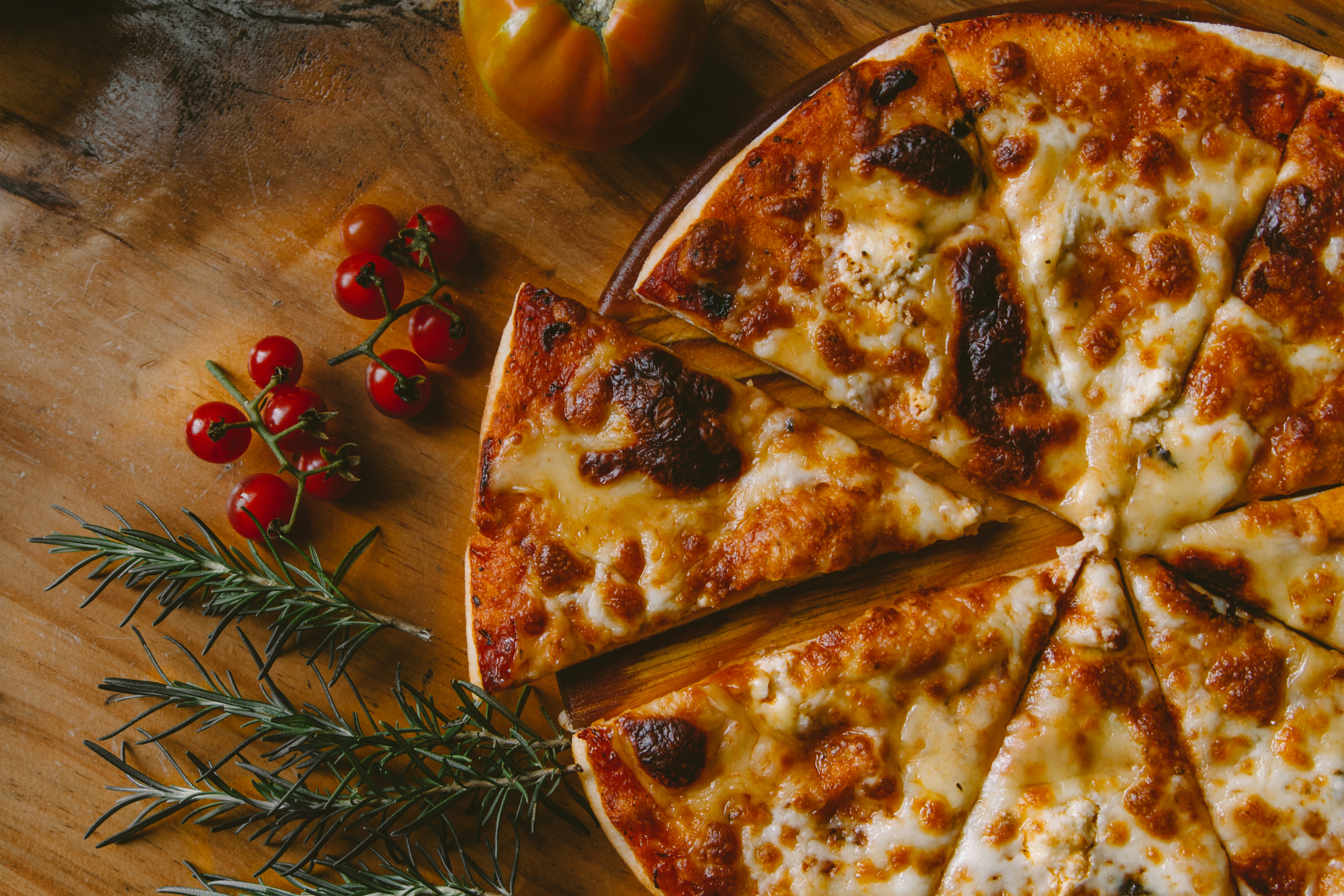
The capitulation to aggregators was mathematically inevitable following a sluggish Q1 2026, where U.S. same-store sales grew by a marginal 0.9%, trailing analyst consensus. Faced with severe macroeconomic headwinds and aggressive discounting from competitors like Papa Johns and Pizza Hut, Domino’s executive team calculated that the cost of ceding commission data to Uber Eats was lower than the opportunity cost of abandoning the aggregator-exclusive customer demographic. By tapping into these massive, pre-existing digital marketplaces, Domino’s aims to artificially engineer a rapid acceleration in transaction volume to offset flat average ticket sizes.
“The Q2 data will serve as a referendum on whether Domino’s can successfully operate a dual-track delivery ecosystem without cannibalizing its highly profitable direct-to-consumer app,” notes Richard Helms, a senior equities analyst specializing in QSR logistics. “The initial Q1 data suggested that the third-party integration was driving genuinely incremental sales. If the Q2 report confirms a sustained 2.5% to 3.0% lift in comparable sales directly attributable to DoorDash and Uber Eats, the strategic pivot will be fully validated, likely triggering a positive re-rating of the stock.”
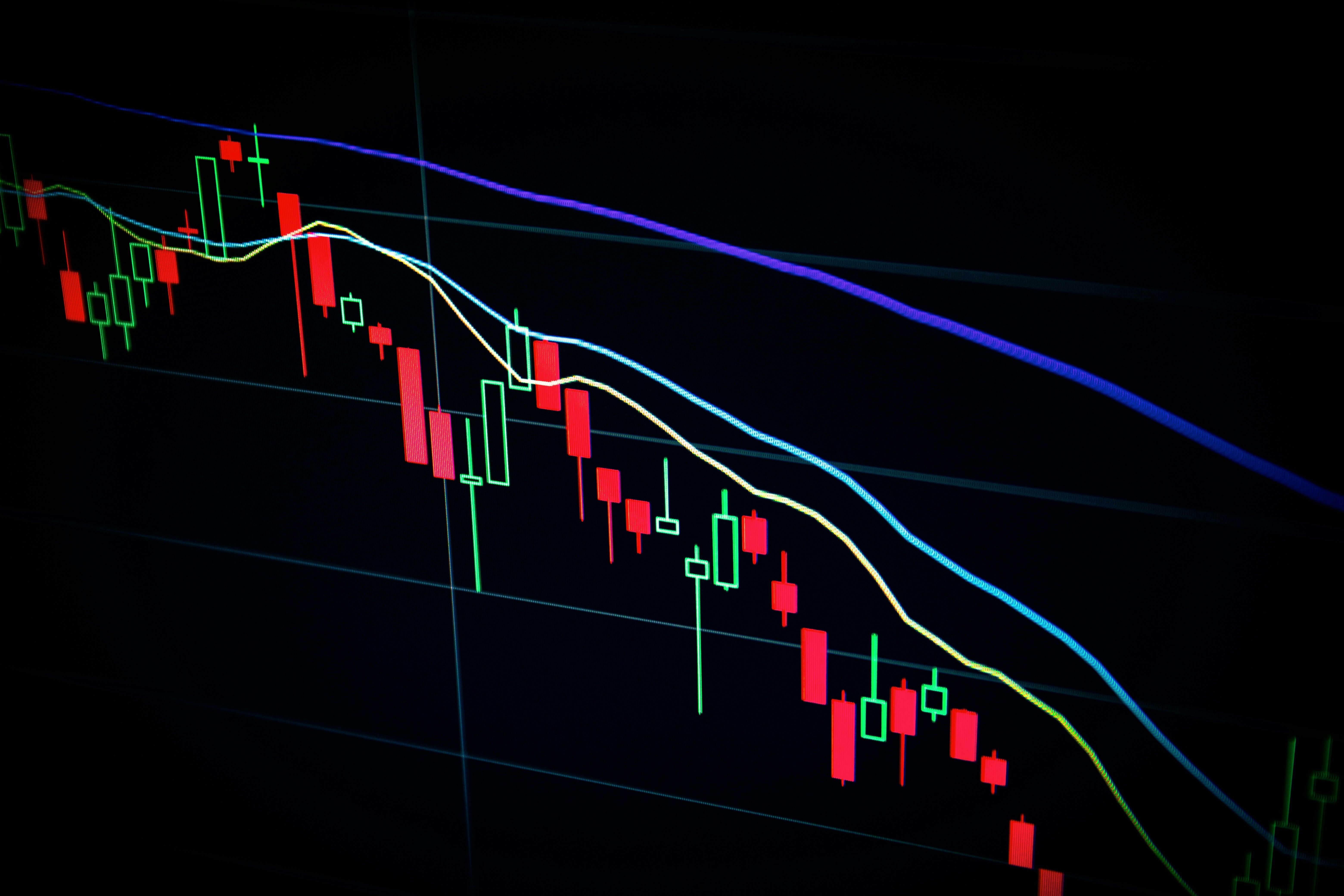
While the gross margins on third-party orders are inherently lower, Domino’s massive scale and ruthless operational efficiency allow it to absorb the commission hit better than any regional competitor. If this volume strategy holds through the summer, Domino’s will have successfully outsourced its most expensive operational bottleneck—the last-mile driver—while simultaneously capturing market share.