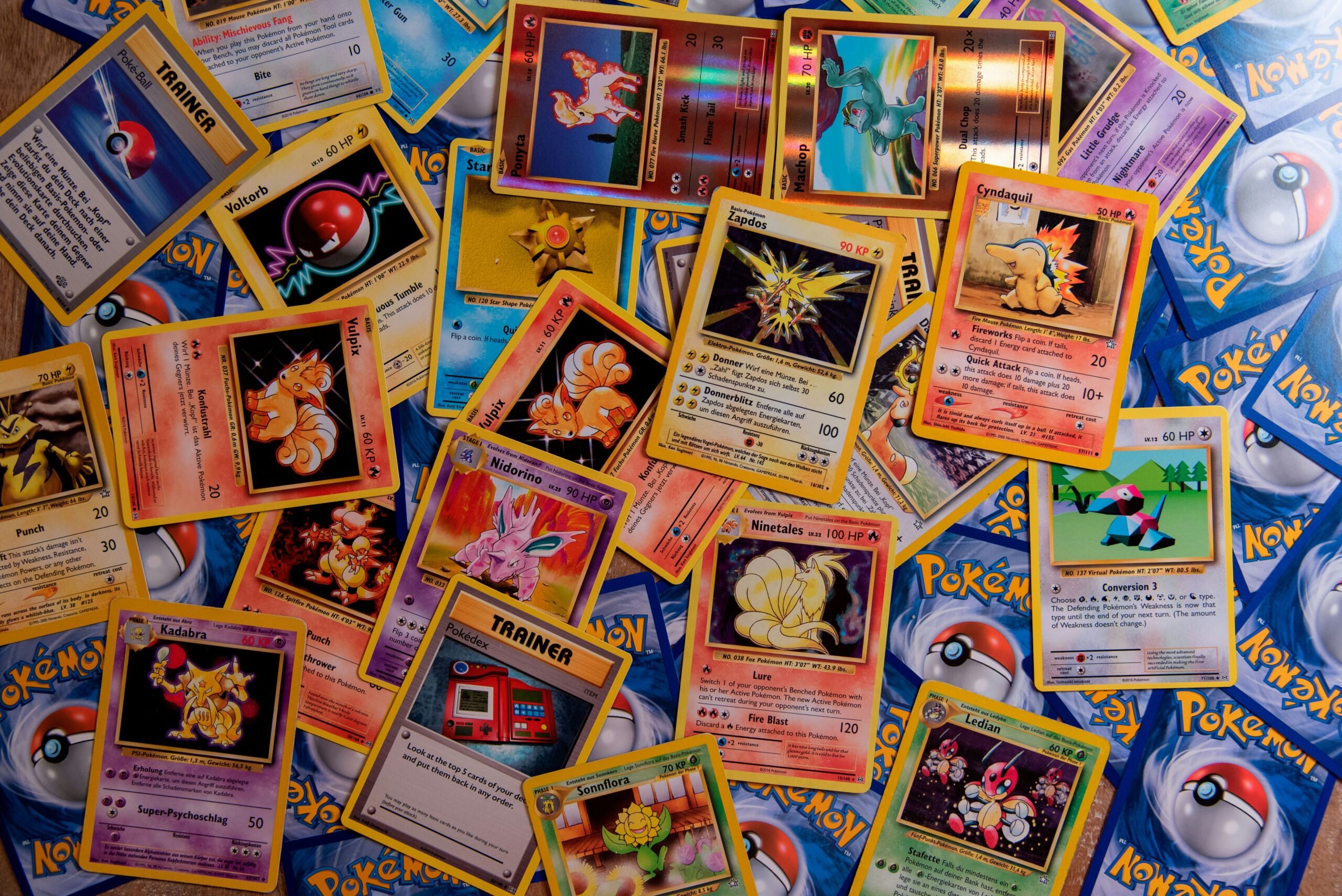
To understand the absolute dominance of McDonald’s in the Japanese market, one must look beyond unit economics and directly at cultural integration. In July 2026, the fast-food behemoth launched the ‘Pokémon Summer Mac’ campaign, a massive marketing offensive designed to simultaneously celebrate McDonald’s Japan’s 55th anniversary and the 30th anniversary of the Pokémon franchise. This is not merely a toy-in-a-box promotion; it is a profound exercise in consumer psychology, leveraging generational nostalgia to drive unparalleled summer foot traffic.
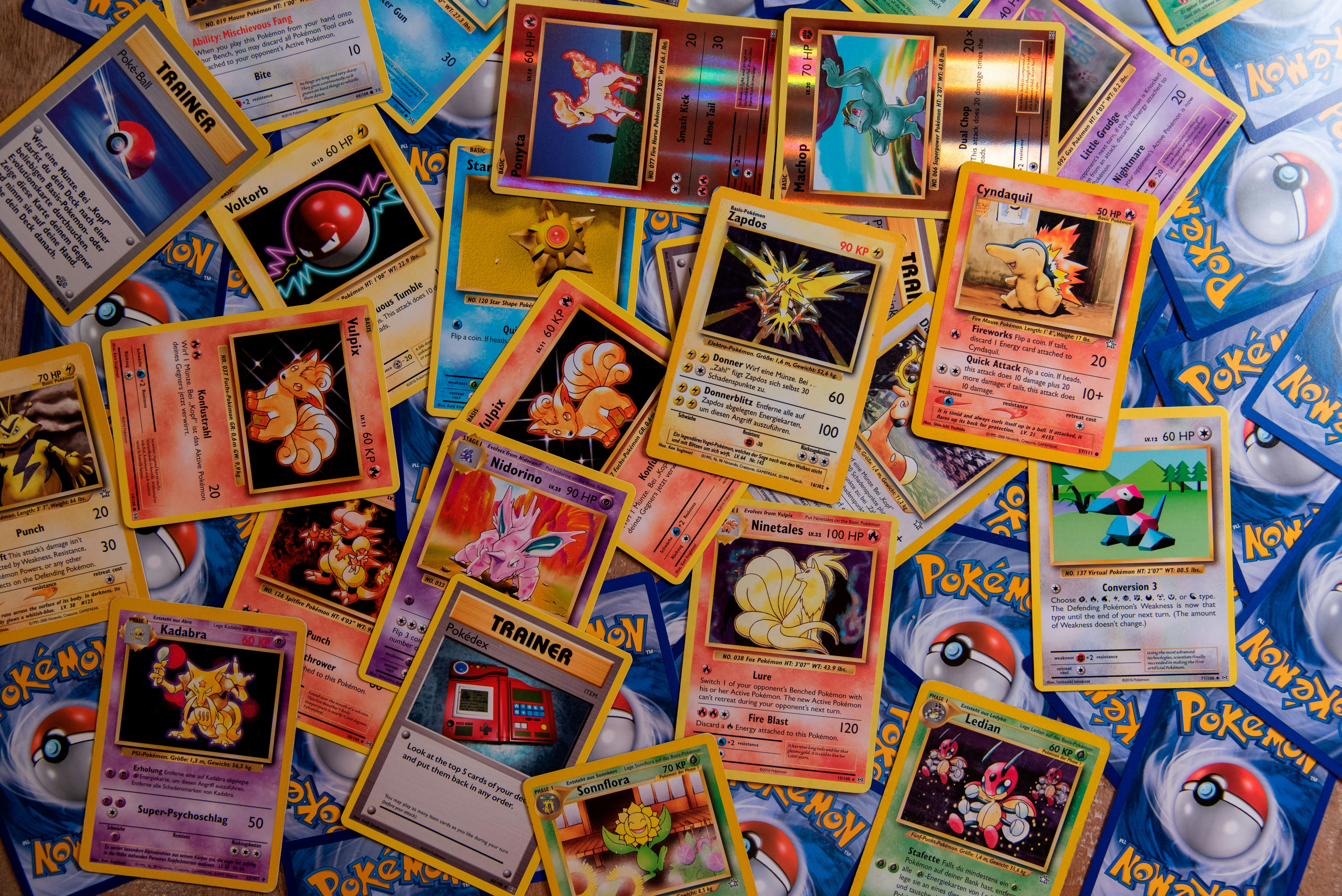
The architecture of the campaign is deeply experiential. By utilizing limited-edition packaging for core items like Chicken McNuggets, deploying a ‘Summer Chance Bag’ merchandise lottery, and transforming 3,000 retail locations into digital ‘PokéStops’ for the Pokémon GO app, McDonald’s has successfully gamified the act of buying fast food. They are targeting the psychological trigger of ‘Fear Of Missing Out’ (FOMO) combined with the powerful urge for physical collectibility. When consumers can only acquire a specific iteration of Pikachu packaging during a highly compressed summer window, the perceived value of the transaction skyrockets, completely shielding the brand from price-based competition by local rivals like MOS Burger.
“What McDonald’s Japan executes so flawlessly is the localization of a global brand through subculture,” explains Dr. Kenji Sato, professor of consumer behavior at Waseda University. “An American burger brand should theoretically struggle with cultural authenticity in Asia. But by intertwining their identity with foundational Japanese IP—whether it’s Mamoru Hosoda films in June or Pokémon in July—they bypass cultural resistance. They are no longer selling an American import; they are selling a nostalgic piece of the Japanese summer experience.”
For international franchise operators, the strategic takeaway is profound. Selling a consistent, high-quality product is simply the baseline. True brand supremacy is achieved when you can successfully hijack the local cultural zeitgeist, turning your restaurants into indispensable hubs of community experience and pop-culture celebration.