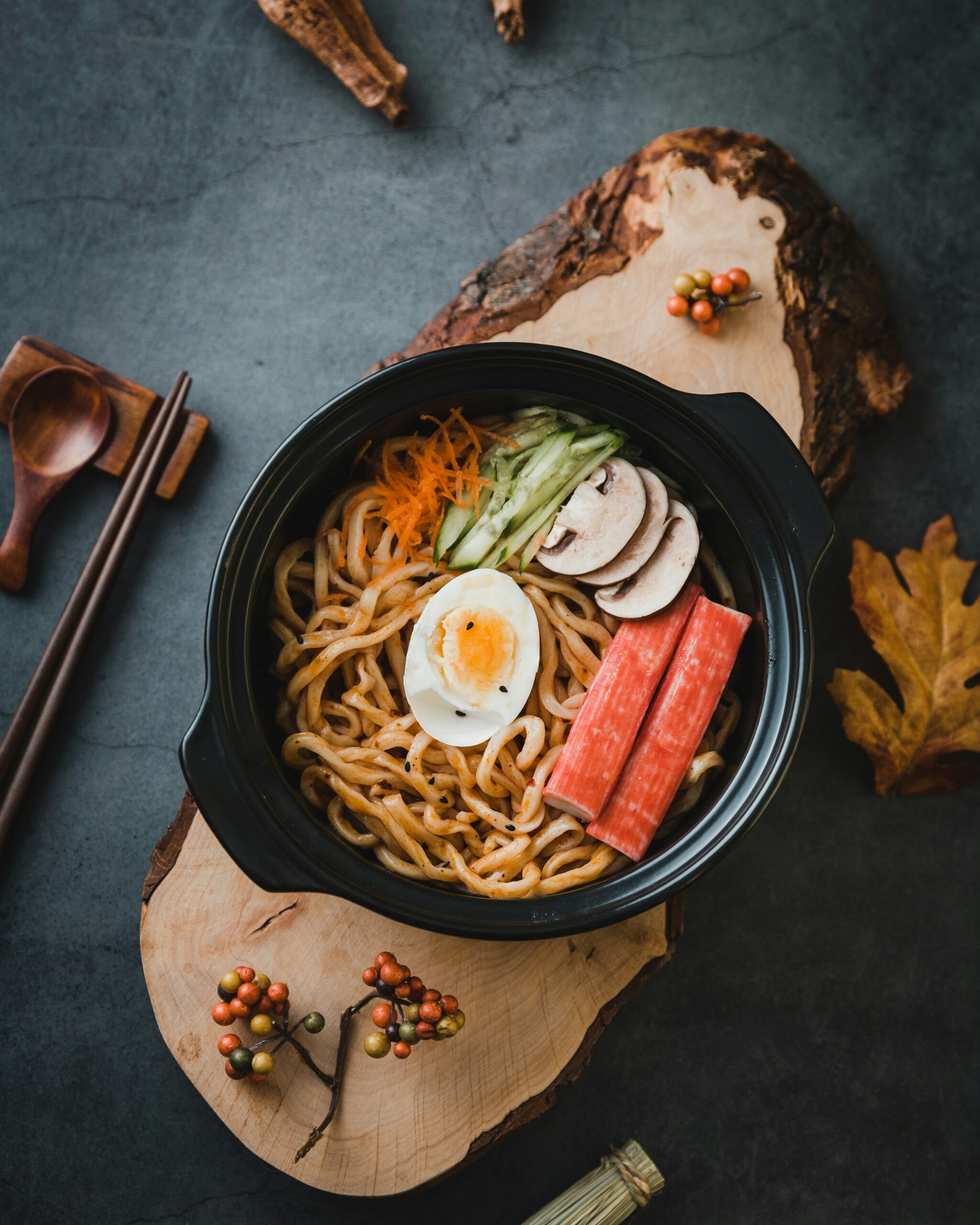
The traditional American Quick-Service Restaurant is facing a fascinating, highly disruptive threat from an unexpected source: the 24/7 unmanned Korean ‘Self-Ramen’ cafe. Already a cultural staple in South Korea with over 12,000 active units, this zero-labor concept is aggressively expanding into North American urban markets in mid-2026. While the business model is a masterclass in eliminating variable labor costs, the true brilliance of the self-ramen cafe lies in its flawless alignment with modern consumer psychology.
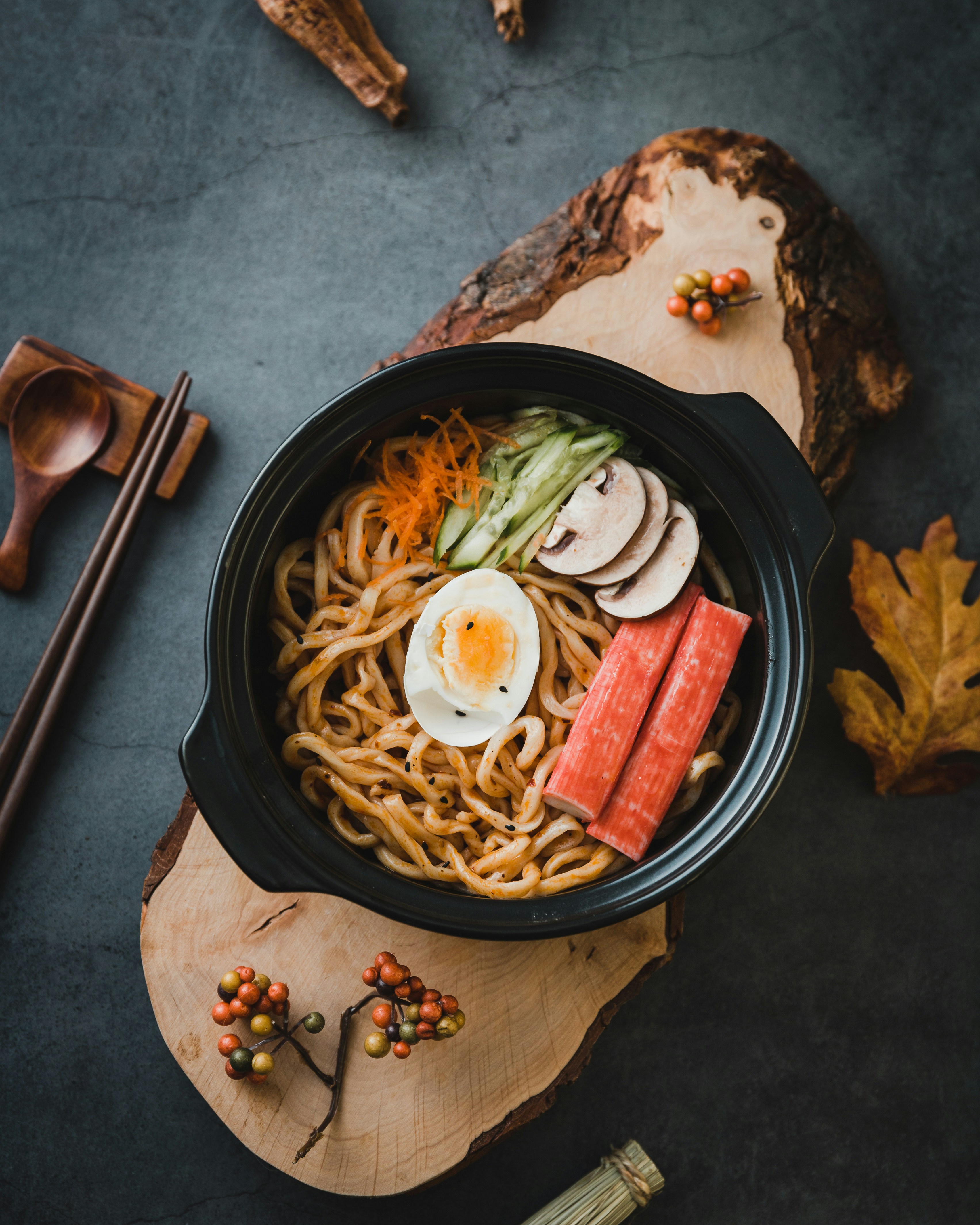
For the Gen Z demographic, these brightly lit, staff-free environments tap into a profound desire for ‘introverted dining’ and extreme convenience. The process is entirely frictionless: customers select a premium ‘K-Street’ noodle packet from a massive display wall, curate their own toppings, and utilize a specialized induction cooker to automate the boil. The physical act of preparing the meal transforms a mere transaction into a highly performative, tactile ritual that is perfectly calibrated for social media sharing.
“The psychological appeal here is the illusion of culinary agency combined with absolute social frictionless-ness,” explains a behavioral strategist focusing on retail environments. “Younger consumers are exhausted by the forced interactions and tipping fatigue of traditional fast-casual. The self-ramen cafe offers a safe, hyper-personalized environment where the customer is in total control of the experience, and the brand is merely the facilitator.”

Furthermore, the explosive global fascination with Korean culture acts as a powerful marketing tailwind. These cafes are not selling instant noodles; they are selling an accessible, highly authentic slice of Seoul nightlife. By recognizing and catering to this specific blend of cultural aspiration and digital-age social fatigue, the unmanned ramen cafe is rapidly securing its place in the 2026 culinary landscape.