
Analysis
Roark’s Subway Acquisition: Can PE Redefine QSR Unit Economics?
Roark’s ambitious Subway acquisition sparks debate: can private equity truly transform the QSR giant’s declining fortunes and redefine industry standards?
Roark’s ambitious Subway acquisition sparks debate: can private equity truly transform the QSR giant’s declining fortunes and redefine industry standards?
Restaurant Brands International’s acquisition of its largest Burger King franchisee, Carrols Restaurant Group, signals a strategic pivot to revitalize its domestic market.
Founders Table, owner of Chopt, acquires Hopdoddy Burger Bar. This signals aggressive consolidation in fast-casual, focusing on scale and efficiency.

Private equity firms are intensifying investments in the fragmented restaurant sector, seeking value through strategic M&A and operational efficiencies.

Pinnick Foods’ $20M investment in West Africa, following its 1M pouch milestone, signals a critical inflection point for regional F&B scaling and supply chain resilience.

Round Table Pizza franchisees are suing Fat Brands over marketing fund management, challenging the multi-brand franchisor’s capital allocation and operational strategy.

PepsiCo and Cargill’s collaboration on sustainable agriculture is a strategic move to fortify global food supply chains against climate risks, geopolitical volatility, and evolving market demands, setting a new industry benchmark.
Rhône’s acquisition of Freddy’s Frozen Custard & Steakburgers from TSCP signals a strategic PE investment in a resilient QSR model with robust unit economics.
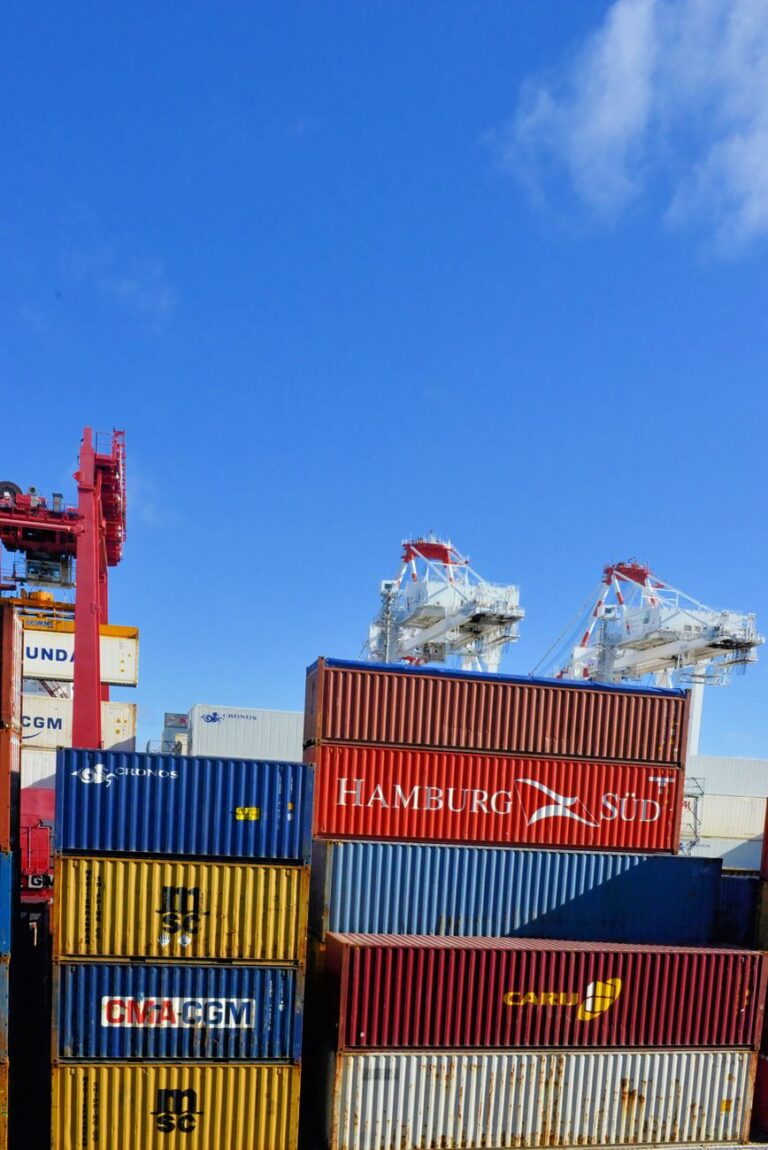
Escalating tensions in Iran are disrupting global raisin supplies, serving as a critical stress test for the food and beverage industry’s brittle ingredient sourcing strategies. This analysis delves into systemic risks, market dynamics, operational challenges, and the imperative for tech-driven resilience and global hedging strategies.

Sustainable food supply chains are now a strategic imperative, crucial for resilience amidst geopolitical shifts, climate change, and logistics disruptions, demanding robust data pipelines and global hedging strategies.