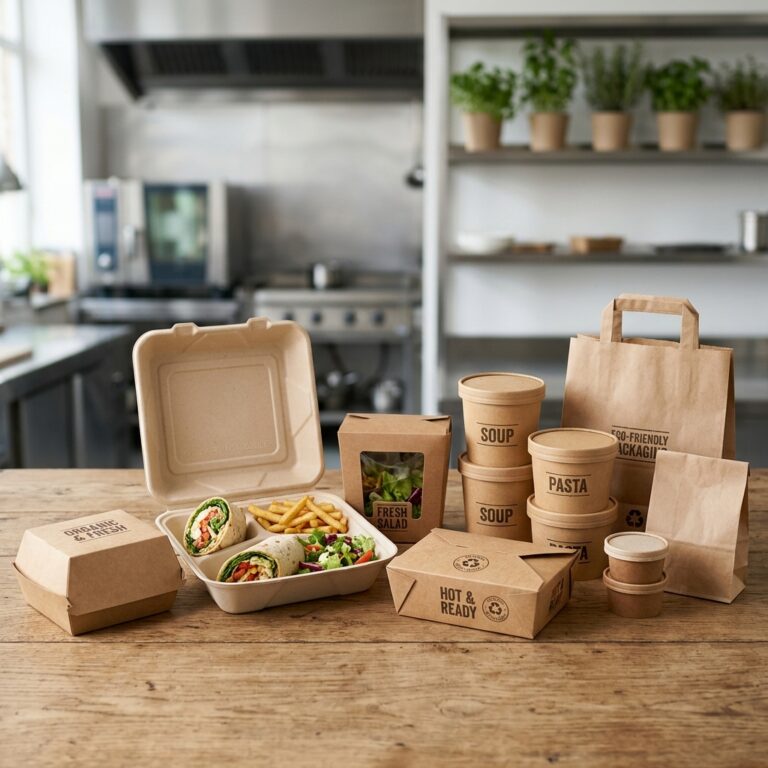
The regulatory timeline that the quick-service industry has spent years lobbying against has finally arrived. As of July 1, 2026, a cascading series of state and international packaging bans—most notably Virginia’s absolute prohibition on Expanded Polystyrene (EPS) foam for all food vendors and the sweeping European ban on BPA and PFAS ‘forever chemicals’—has fundamentally rewired global procurement. Enterprise franchises can no longer rely on localized exceptions or corporate greenwashing. The shift from cheap, single-use petroleum plastics to verified, compostable fiber-based packaging is no longer a brand differentiator; it is a rigid legal mandate enforced by massive financial penalties.
This transition exposes the profound fragility of traditional, price-optimized supply chains. Historically, franchisees relied heavily on the incredibly low unit economics of EPS foam to subsidize delivery overhead. The abrupt regulatory invalidation of these materials has forced multi-unit operators to absorb a 15% to 22% increase in packaging COGS almost overnight. Furthermore, the newly enacted “Skip the Stuff” ordinances—such as New Jersey’s August 2026 mandate requiring consumers to explicitly ‘opt-in’ for utensils and napkins—are forcing brands to radically redesign their digital app interfaces to comply with state law.
“We are advising our regional master franchisees to stop viewing sustainable packaging as a compliance tax and start viewing it as a core component of supply chain security,” states Dr. Elena Varga, an ESG compliance auditor for multinational food brands. “When a single shipment of branded cups gets seized at customs because the resin lining violates a new EU chemical restriction, the operational disruption costs fifty times more than the organic fiber alternative. The only mathematically sound strategy in 2026 is absolute material standardization across all global borders.”

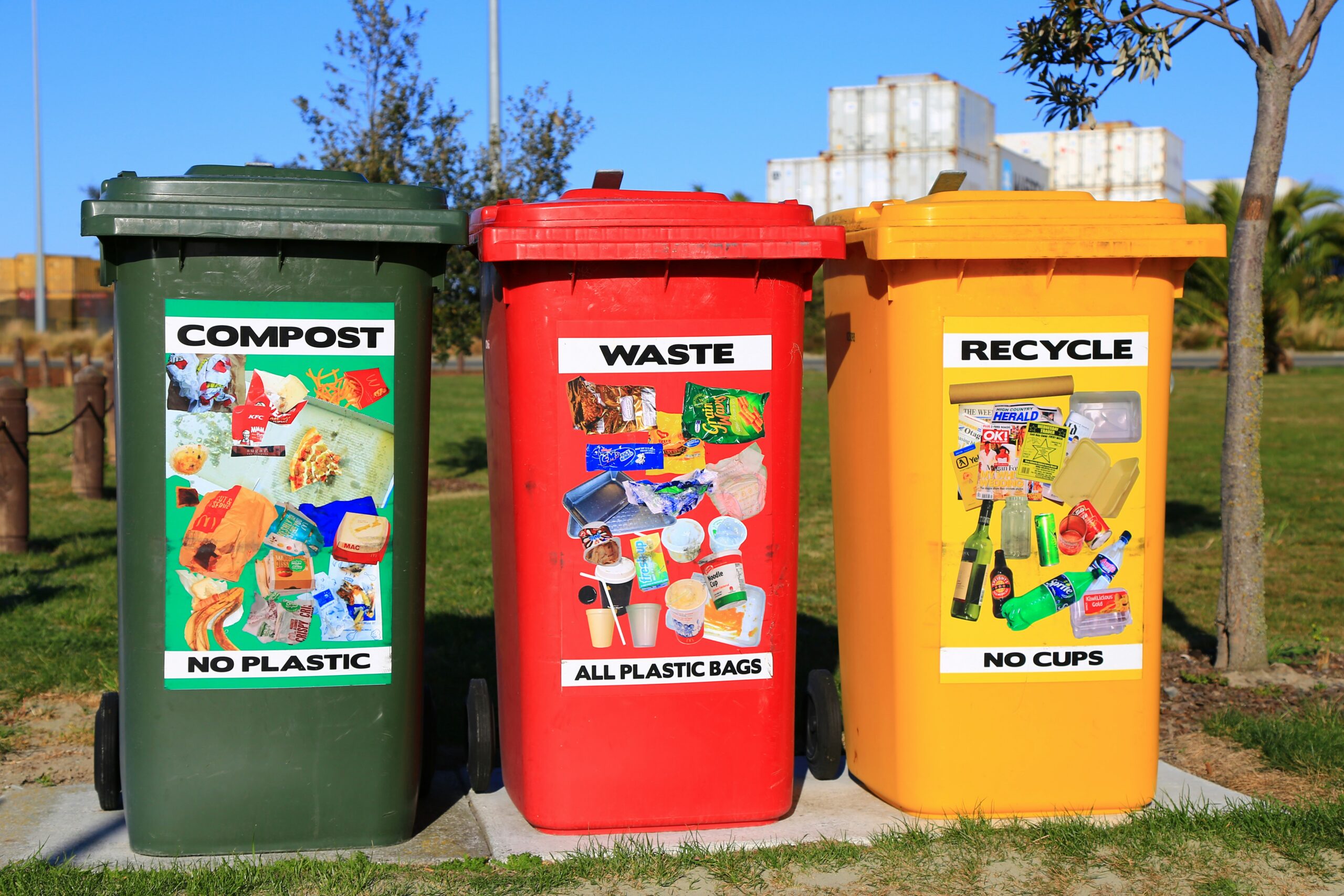
The mid-2026 regulatory environment is actively forcing the QSR sector into a circular economy model. Governments are increasingly shifting the end-of-life cost of recycling directly onto the brand owners via Extended Producer Responsibility (EPR) fees. For the B2B stakeholder, the directive is unequivocal: sustainability is now an aggressive, heavily audited operational discipline. The franchises that thrive will be those that integrate ethical, chemical-free sourcing directly into their foundational business models rather than treating it as an afterthought.