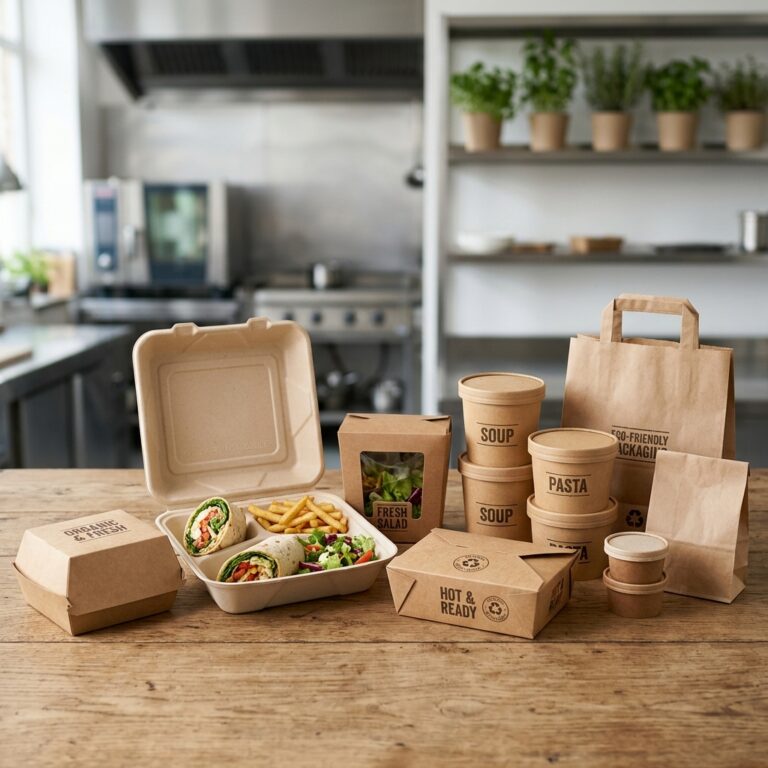
For decades, the Quick-Service Restaurant (QSR) industry has treated the environmental cost of its packaging as an externality. In mid-2026, that era is definitively over. Driven by the uncompromising rollout of the EU’s Packaging and Packaging Waste Regulation (PPWR) and stringent new circular economy agreements in South Korea, the regulatory hammer has finally fallen. Global fast-food chains are now facing aggressive ‘eco-modulated’ Extended Producer Responsibility (EPR) fees, legally forcing them to internalize the cost of their waste and drastically overhaul their operational models.

The financial implications are profound. Under these new frameworks, brands that continue to rely on unrecyclable PE-lined paper cups or ‘double-cupping’ practices are being hit with crippling financial penalties. To survive this legislative shift, major operators are abandoning single-use plastics altogether, transitioning instead to mandatory, fully integrated reusable cup ecosystems for on-site dining. South Korea’s sweeping September 2026 guidelines, forged in direct partnership with giants like McDonald’s and Starbucks, serve as the definitive blueprint for this global transition.
“We are witnessing the forced death of disposable convenience,” states Dr. Aris Thorne, a leading policy analyst on global waste streams. “The introduction of eco-modulated EPR fees means that unsustainable packaging is now an intolerable liability on the balance sheet. QSRs are realizing that investing the capital to build a closed-loop, reusable washing and recovery infrastructure is vastly cheaper than paying the exorbitant regulatory fines associated with single-use trash.”
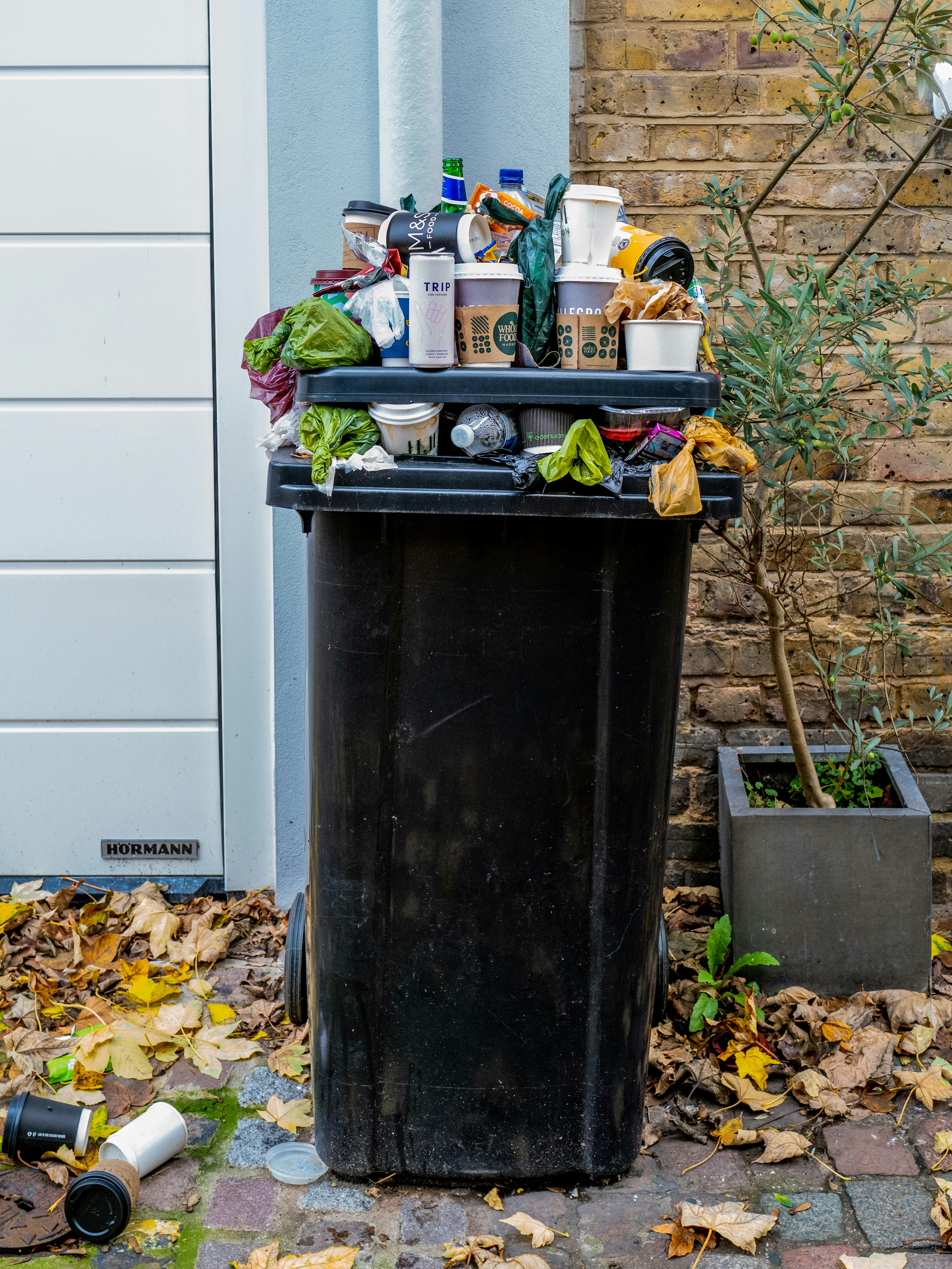
This shift demands a total rewiring of consumer behavior and store-level operations. From implementing high-temperature dishwashing stations to managing tumbler incentive discounts, the logistical friction is high. Yet, this aggressive regulatory environment guarantees that ethical, circular sourcing is finally becoming the uncompromising standard of the global foodservice industry.