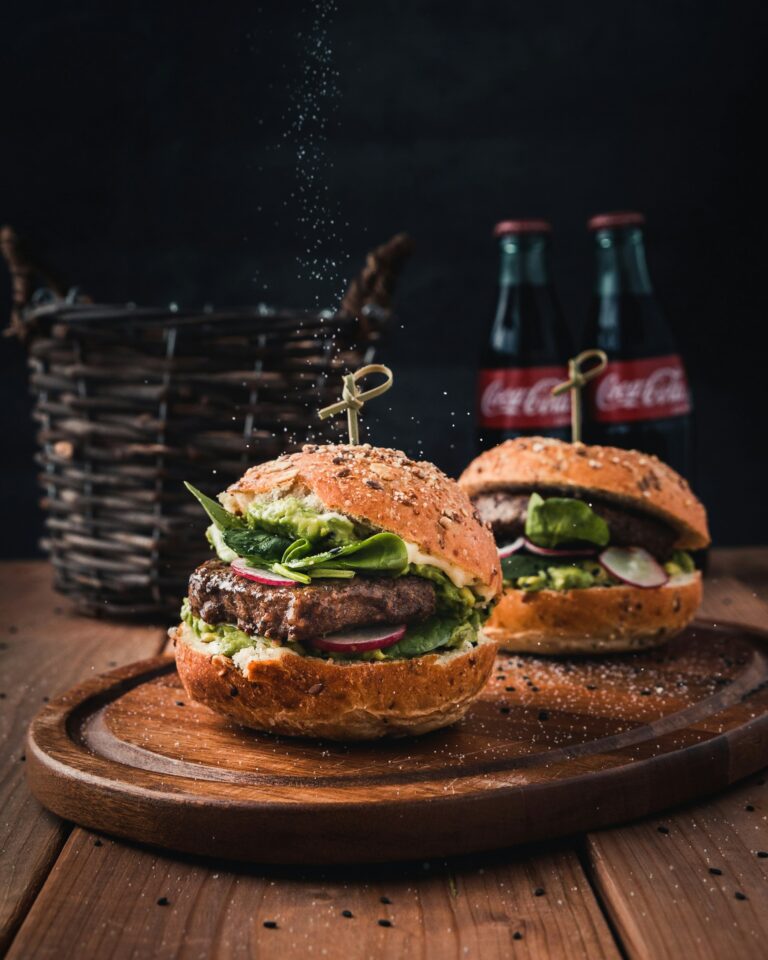
The era of using a green leaf icon and the word ‘natural’ to sell a highly processed burger is officially over in Europe. As of September 2026, the European Union’s Directive on Empowering Consumers for the Green Transition (ECGT) has become fully binding and enforceable across all member states. This landmark legislation represents an existential regulatory threat to the fast-food and restaurant industry’s reliance on cheap, unsubstantiated environmental marketing. Brands face devastating fines—up to 4% of their annual turnover in a member state—for utilizing vague terminology like ‘eco-friendly,’ ‘sustainable,’ or ‘carbon-neutral’ without rigorous, third-party verification.

The immediate fallout from this enforcement is a massive, panicked audit of corporate assets across the continent. Multinational QSRs and regional chains alike are stripping their packaging, menu boards, and social media campaigns of any language that cannot be backed by a verifiable supply chain audit. The directive fundamentally redefines corporate responsibility in the foodservice sector; sustainability can no longer be a function of the marketing department—it must be an empirically proven function of the procurement and operations teams. If a chain claims its coffee is ‘ethically sourced,’ it must now expose the exact metrics and certifications validating that claim to regulators.
“We are witnessing the forced death of corporate greenwashing in real-time,” states Dr. Elena Varga, a regulatory consultant specializing in food supply chains. “For the last decade, restaurants have essentially self-regulated their environmental claims, resulting in a landscape polluted with meaningless ‘green’ jargon. The EU is now demanding receipts. If you cannot mathematically prove that your packaging is compostable or your beef is regenerative, you will face severe financial penalties. The legal risk has finally eclipsed the marketing benefit.”
While the United States remains a patchwork of state-level litigation and stalled federal guidelines, the EU’s aggressive stance is setting a new global baseline. Multinational chains cannot realistically maintain two entirely distinct supply chain verification systems, meaning the transparency forced by Brussels will inevitably elevate ethical sourcing standards worldwide.