For decades, the distinct flavor profile of fast-casual Mexican food has been inextricably linked to the intense heat and open flames of commercial gas grills. In 2026, Chipotle is systematically extinguishing those flames in pursuit of a far more urgent objective: aggressive corporate decarbonization. Facing a self-imposed mandate to slash greenhouse gas emissions by 50% by 2030, the company has drastically accelerated the rollout of its ‘Responsible Restaurant’ design paradigm, targeting over 350 locations this year alone for full electrification.

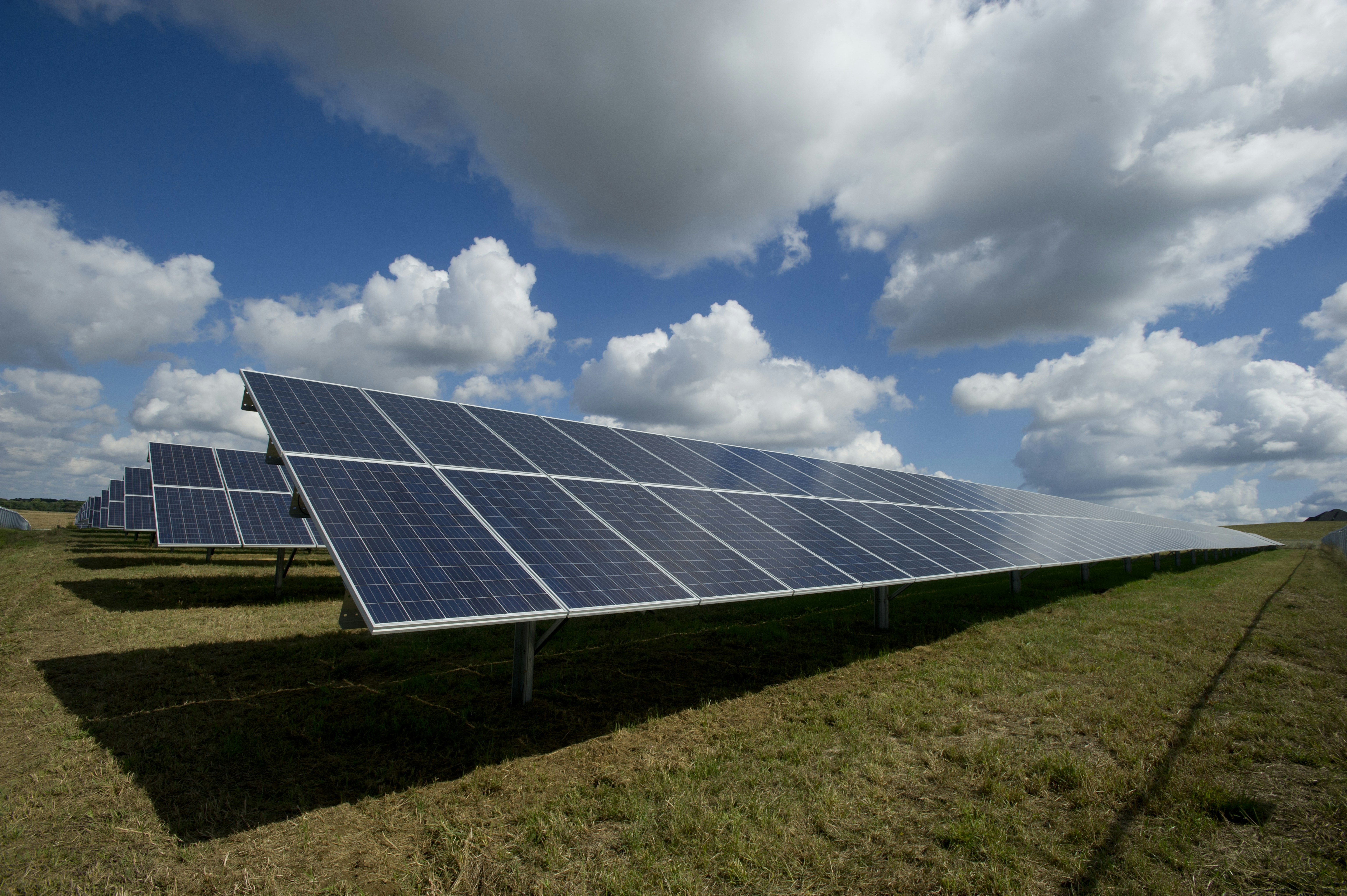
The technological cornerstone of this transition is the ‘High-Efficiency Equipment Package’ (HEEP). By retrofitting legacy stores and mandating all-electric cooklines for new builds, Chipotle is completely severing its reliance on fossil fuels at the unit level. Gas grills are being replaced by high-efficiency electric alternatives, while traditional HVAC units are being swapped for heat pump water heaters and advanced energy management systems. Furthermore, the energy powering these electric kitchens is sourced entirely from 100% renewable electricity—achieved through rooftop solar installations and certified green energy credits.
“What Chipotle is executing in 2026 is no longer a pilot program; it is a systemic infrastructural overhaul,” notes Dr. Elena Silva, an environmental policy analyst focusing on commercial real estate. “The hospitality sector has traditionally viewed gas cooking as non-negotiable for culinary authenticity. By proving that you can maintain massive throughput and flavor consistency on an all-electric line, Chipotle is neutralizing the industry’s primary excuse for delaying decarbonization. They are forcing the entire commercial kitchen equipment supply chain to innovate away from fossil fuels.”
This aggressive electrification strategy serves as a stark warning to competing franchisors: sustainability commitments are no longer abstract PR exercises. In 2026, environmental responsibility requires hard capital expenditure, facility retrofits, and a willingness to fundamentally alter the physical mechanics of the restaurant.