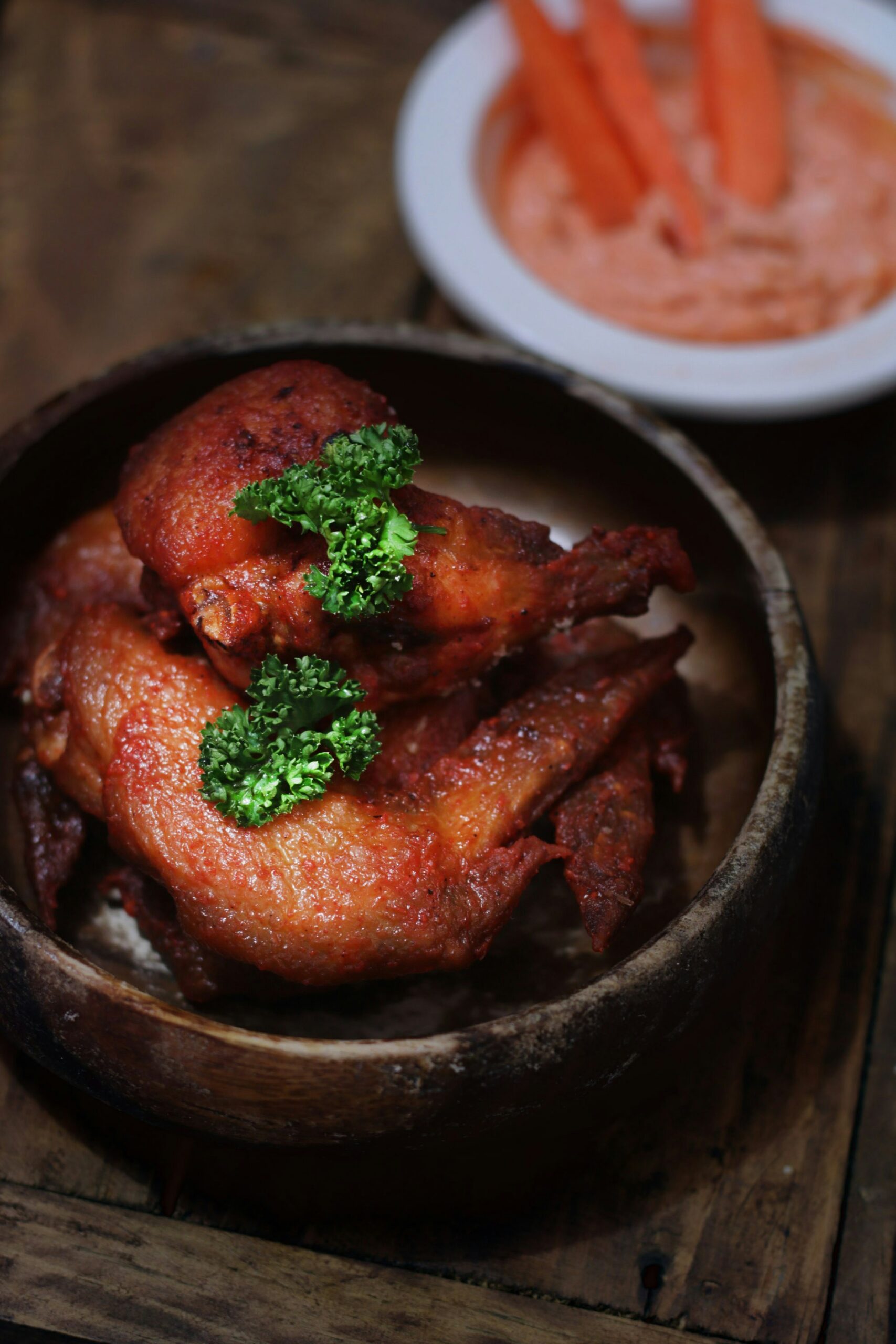
For the past few years, the restaurant tech sector has been obsessed with front-of-house automation, specifically replacing drive-thru operators and phone clerks with conversational AI voice bots. Wingstop initially led this charge, piloting automated phone order systems in 2023. But as we move deep into 2026, the brand has executed a brilliant strategic pivot. Realizing that the friction point wasn’t taking the order, but rather cooking it, Wingstop has redirected its tech capital into the back-of-house, rolling out its proprietary ‘Smart Kitchen’ operating system nationwide.
The Smart Kitchen OS is essentially a predictive algorithm layered over the fry stations. By crunching massive datasets from Wingstop’s digital ordering infrastructure—which currently handles an astounding 70%+ of all brand transactions—the system uses machine learning to forecast exact order volumes before a customer even opens the app. The kitchen is instructed to drop chicken into the fryers based on predictive traffic spikes, effectively cutting service times in half, from roughly 20 minutes down to just 10 minutes.
“Wingstop realized that a voice bot taking a phone order doesn’t matter if the kitchen is structurally bottlenecked by a 20-minute fry time,” says early-stage restaurant tech investor Maya Lin. “By deploying a predictive OS, they are treating the kitchen like a high-frequency trading desk. The system knows a massive wave of digital orders is coming during the Sunday football pre-game show, and it pre-allocates kitchen resources to absorb the shock. It’s an incredible application of machine learning that directly spikes unit-level throughput.”

As competitors continue to struggle with the legal and operational friction of AI voice ordering, Wingstop’s 2026 pivot proves that the highest ROI for restaurant technology lies in predictive kitchen operations. When an algorithm manages the prep times, the human crew can simply execute, resulting in massive speed and capacity unlocks.