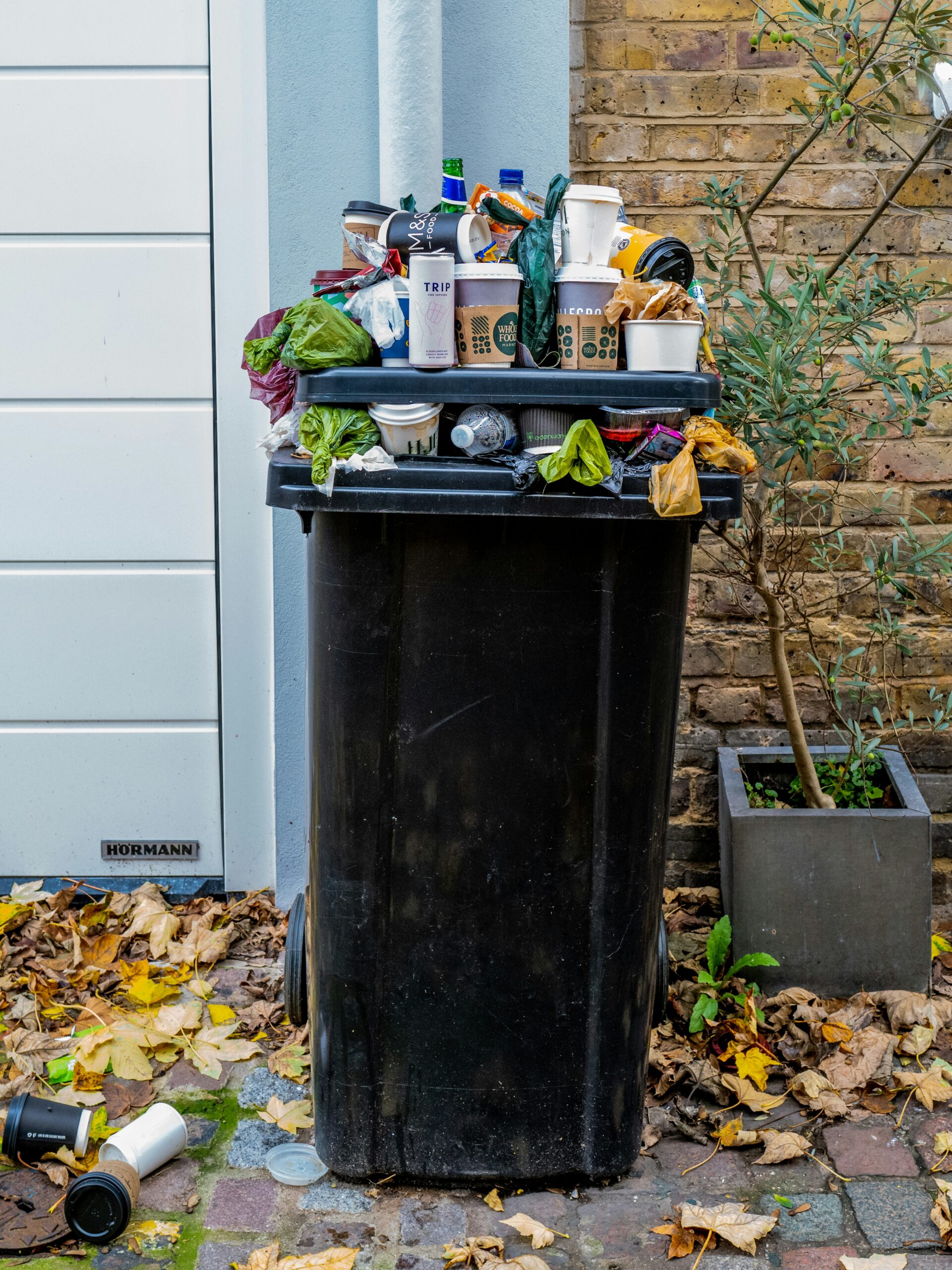
The era of unchecked corporate “greenwashing” has effectively ended for the global foodservice industry. Entering the second half of 2026, sustainability has transitioned from a voluntary marketing angle into a heavily monitored, heavily penalized regulatory requirement. With the European Union’s stringent Packaging and Packaging Waste Regulation (PPWR) taking full effect in August, alongside the EU’s total prohibition of Bisphenol A (BPA) in food contact materials, multinational franchises are scrambling to completely audit and restructure their international supply chains. Operators can no longer simply label a cup as “biodegradable”; they must provide hard, verifiable, “substantiated sustainability” data.
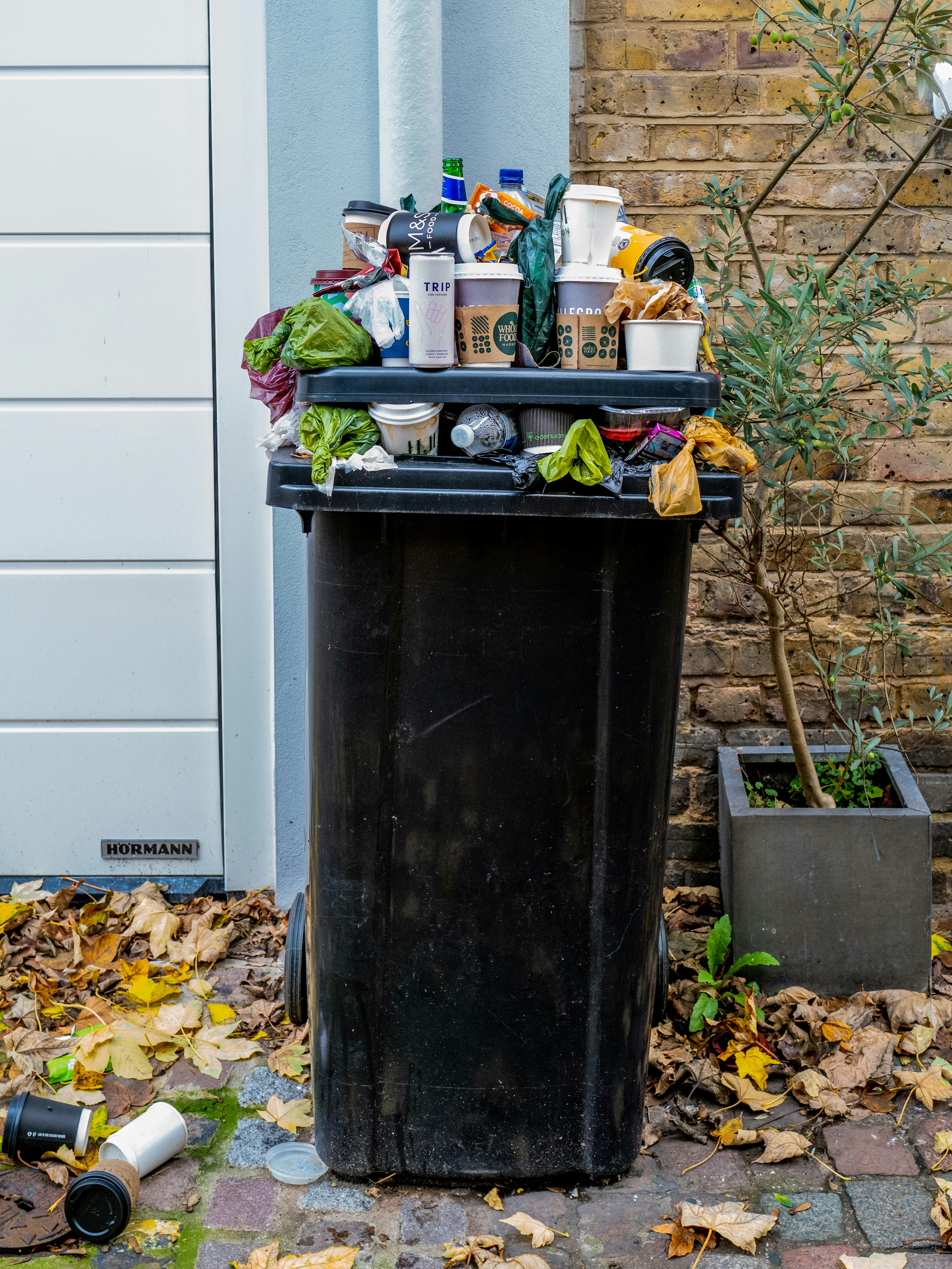
The regulatory pressure is not confined to Europe. Across the United States, a patchwork of aggressive state-level bans is forcing domestic operators to abandon legacy packaging. Virginia’s expanded polystyrene (EPS) foam ban is now active for all food vendors, while New Jersey’s “Skip the Stuff” law mandates that takeout delivery orders no longer automatically include single-use utensils or condiment packets. In response, enterprise brands are integrating “Smart Packaging”—utilizing QR codes and digital product passports to provide both regulators and consumers with immediate, transparent lifecycle and sourcing data for every wrapper and container.
“The days of hiding behind vague eco-friendly logos are entirely over,” notes Sarah Lin, Director of Ethical Procurement for an international fast-casual consortium. “If one of our franchisees in Berlin or Los Angeles hands a customer a container that claims to be compostable, we must have the exact industrial certification documentation readily available via digital passport. If we fail an audit, the financial penalties immediately wipe out our regional quarterly margins. We treat our packaging compliance as strictly as our food safety protocols.”

The operational implications for multi-unit operators are immense. To avoid the logistical nightmare of managing thirty different packaging standards across thirty different states or countries, leading franchisors are adopting the strictest global standard—usually the EU benchmark—as their universal baseline. By implementing proactive compliance and “root-to-stem” waste reduction policies, ethical sourcing is rapidly becoming a fundamental pillar of corporate risk management and long-term brand survival in 2026.